By Discover the Riverland · · 6 min read
At Morgan the Murray abandons its westward run and swings south. That single turn made the town the busiest river port in the state - and then left it behind.
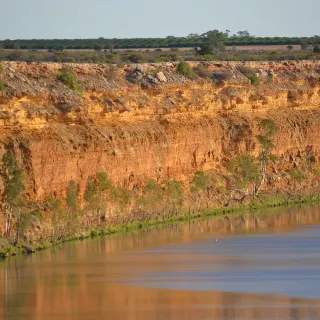
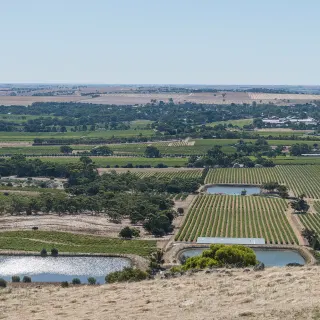
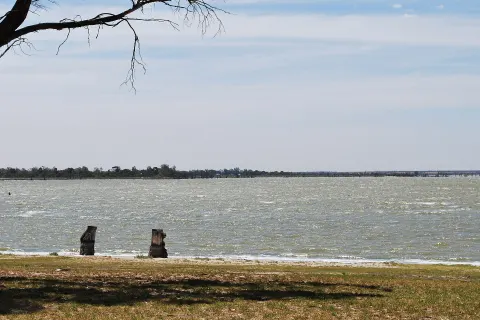
Stand on the cliffs above Morgan and you can see the whole story laid out below. The Murray comes in from the east, broad and brown, and then it turns - decisively, almost reluctantly - and heads south toward the sea. This is the great North West Bend, and it made Morgan.
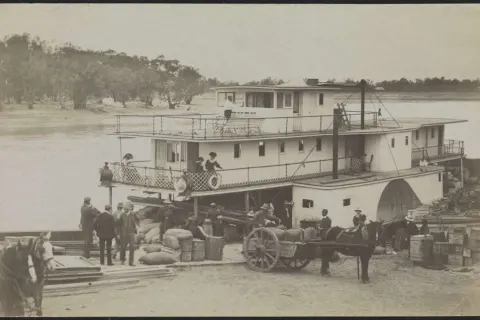
Geography is destiny on a river. The bend marked a natural pivot point, and in the paddle-steamer age it became the place where the river met the railway. Goods coming downstream from the inland could be transferred here to the train and run to Adelaide, bypassing the long and treacherous lower river. For a time, Morgan was the busiest river port in South Australia.
The boom
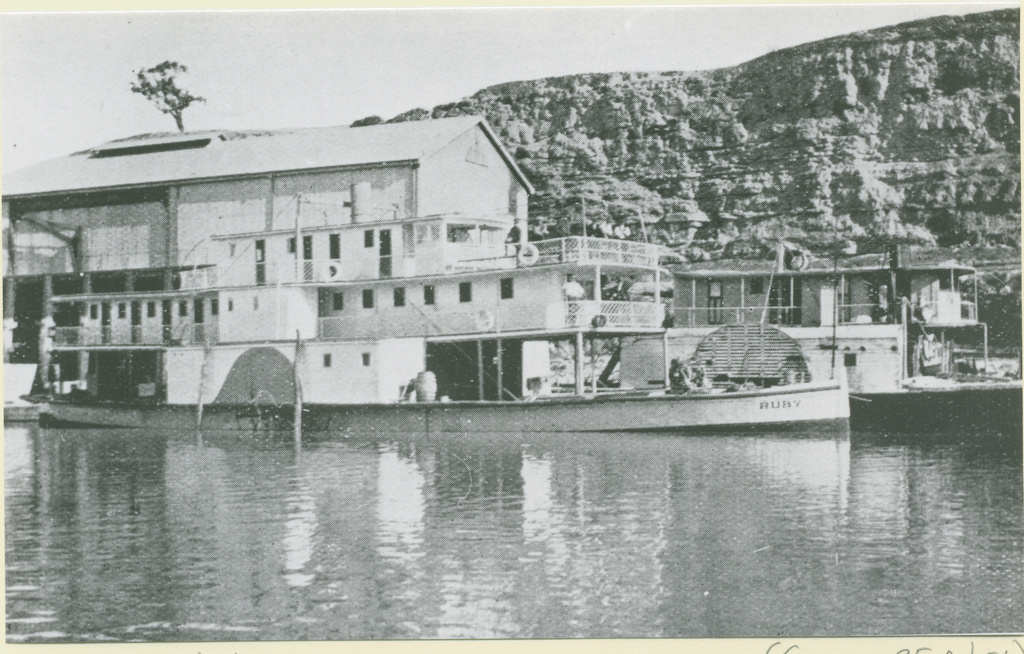
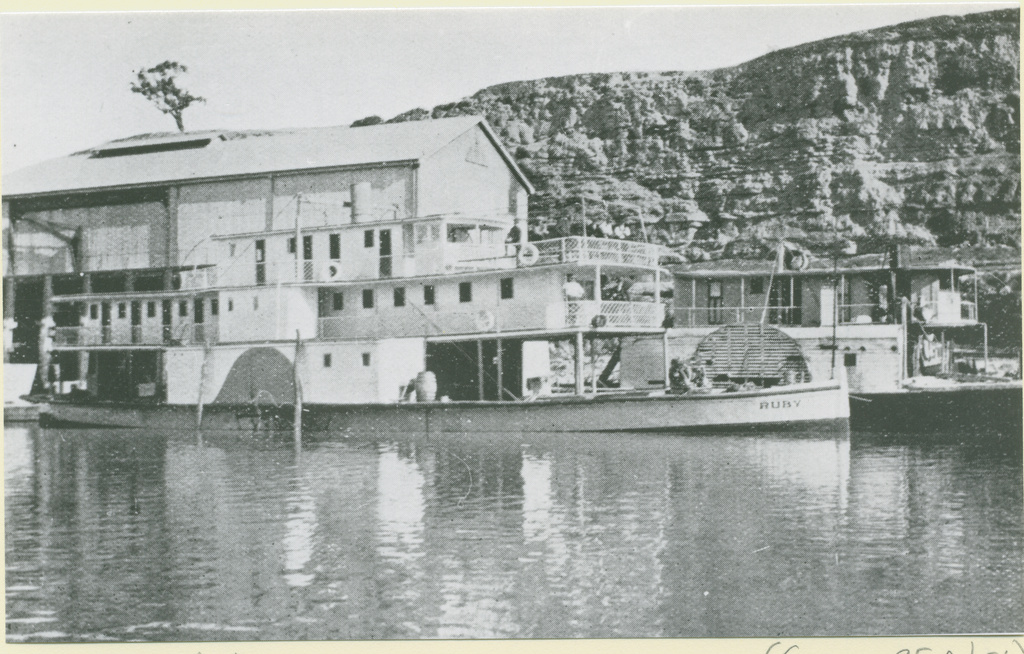
The wharf tells you how big it got. It is enormous - far larger than the quiet town behind it could ever justify today - and in its heyday it was stacked with wool bales and crowded with paddle steamers waiting their turn. Money moved through Morgan. The town swelled. It must have felt, for a while, like the centre of the world.
Then the world moved on. Railways pushed further inland, reaching the goods at their source and cutting out the river transfer. Drought hammered the Murray trade. The paddle steamers dwindled, and the great wharf fell quiet. Morgan slid from boom town to country backwater in a generation.
What remains
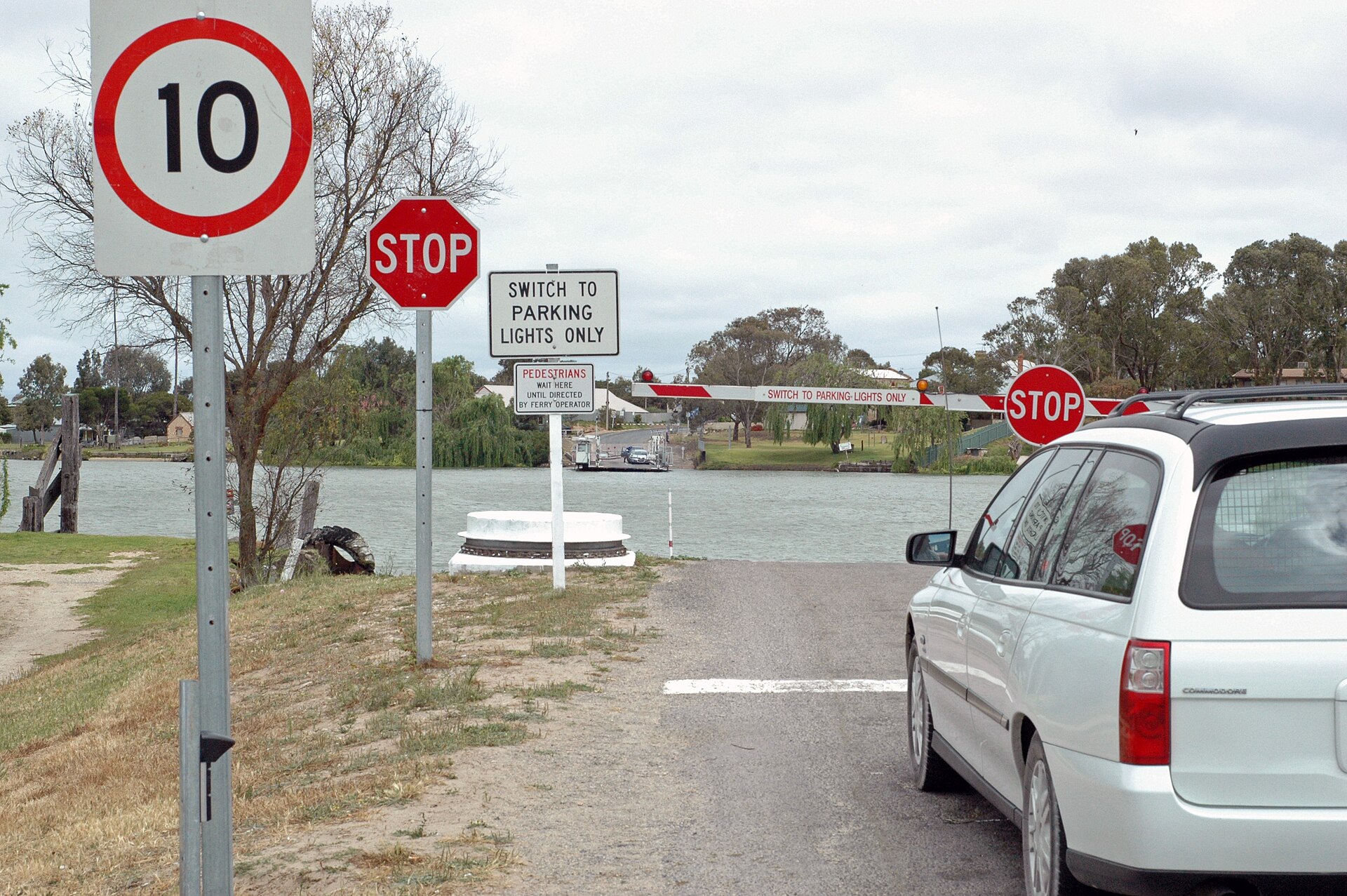
What remains is, if anything, more affecting for the loss. The wharf still stands, vast and empty, a monument to a vanished trade. The cliffs still blaze at sunset. The free ferry still hauls across the river, as it has for over a century. The museum keeps the stories.
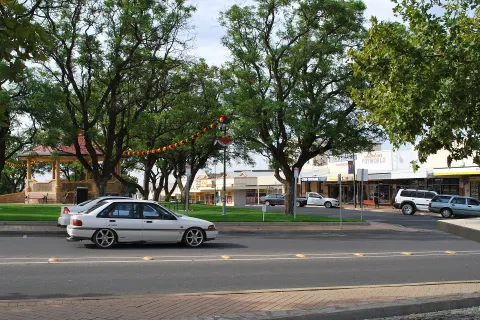
Morgan today is a quiet, handsome river town, and it wears its faded grandeur lightly. But walk the wharf at dusk, with the cliffs going gold and the river sliding past on its long turn south, and you feel the weight of it - a place that was, briefly, the hinge on which a colony's trade swung. The bend that made Morgan is still there, doing exactly what it has always done. Only the boats are gone.