In the 1890s, depression-era idealists came to the Murray to build communal village settlements. Most failed - but they left the Riverland its bones.
The Riverland is famous for its irrigation, its fruit and its wine. Less remembered is the strange, idealistic experiment that helped put people on the river in the first place: the village settlements of the 1890s.
Australia in the early 1890s was deep in depression. Banks had collapsed, unemployment was savage, and the cities were full of men with no work. Into this gloom came an idea, equal parts desperation and utopianism: settle the unemployed on the land in communal villages, where they would farm together, share the proceeds and build a new and fairer society on the banks of the Murray.
The communal dream
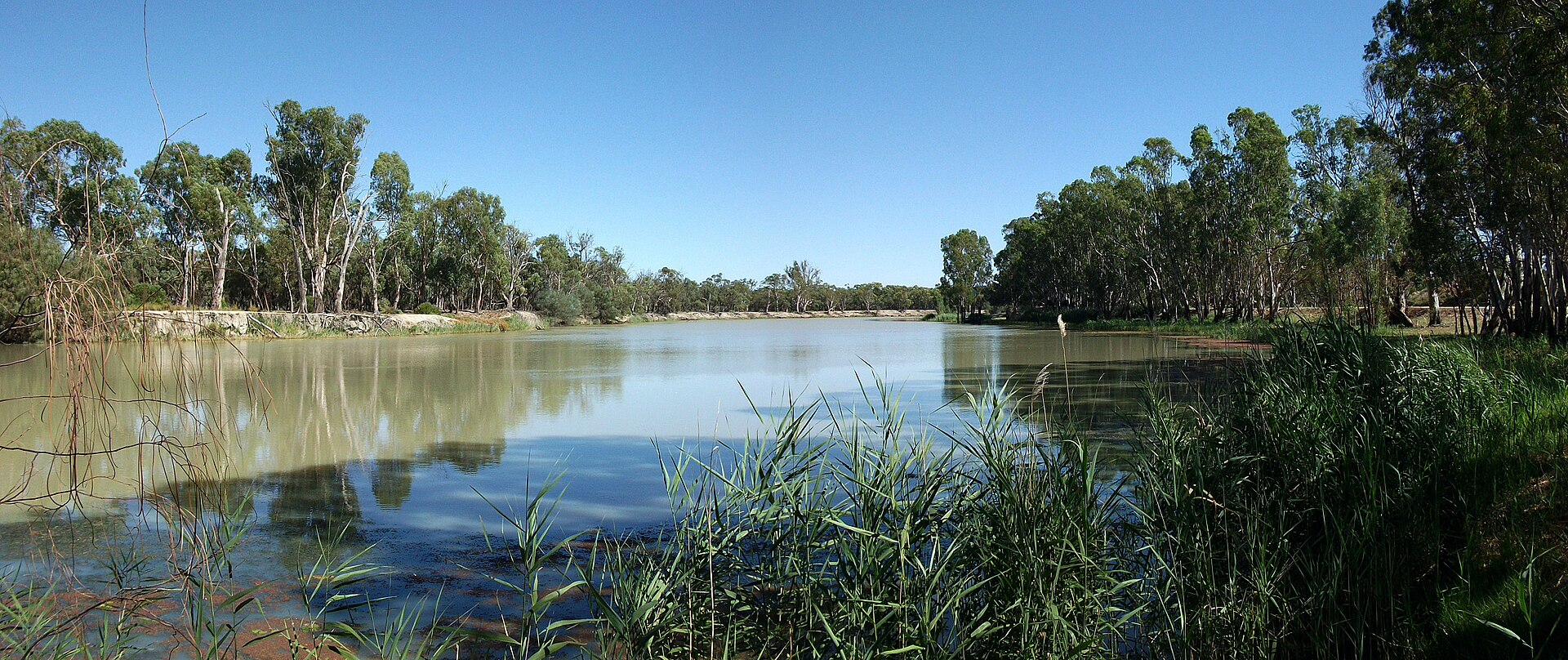
The South Australian government backed it. A string of village settlements sprang up along the river - at places like Lyrup, Moorook, Kingston, New Era and others - where settlers held land and labour in common. They cleared the scrub together, dug channels together, shared the harvest together. It was a genuine attempt at a cooperative society, decades ahead of its time.
It mostly didn't work. Communal farming foundered on the usual rocks: disputes over labour, the hardship of clearing mallee by hand, the brutal isolation, and the simple difficulty of making a living from a dry and unforgiving land. One by one the communal arrangements broke down, and most of the settlements either failed outright or reorganised into ordinary freehold blocks.
What survived
And yet they left their mark. Lyrup survives as a village to this day, still reached by its free ferry. Other settlement names dot the map. More importantly, the experiment put the first wave of settlers on this stretch of river, broke the first ground, and proved - for all its failures - that people could live here at all. The irrigation boom that followed built on those foundations.
It is easy, driving the prosperous orchard country today, to forget how it began: not with confident agribusiness but with a band of broke, hopeful idealists trying to build utopia in the scrub. The utopia failed. The Riverland, in the end, did not. And in the quiet village of Lyrup, with its ferry and its memory of the communal dream, you can still feel where it started.