
Brookfield Conservation Park
The wombat reserve a Chicago zoo gave to South Australia
A 5,515-hectare conservation park west of Blanchetown, bought by the Chicago Zoological Society in 1971 to protect the southern hairy-nosed wombat and gifted to South Australia in 1977. Wombats, western grey kangaroos and mallee birds.
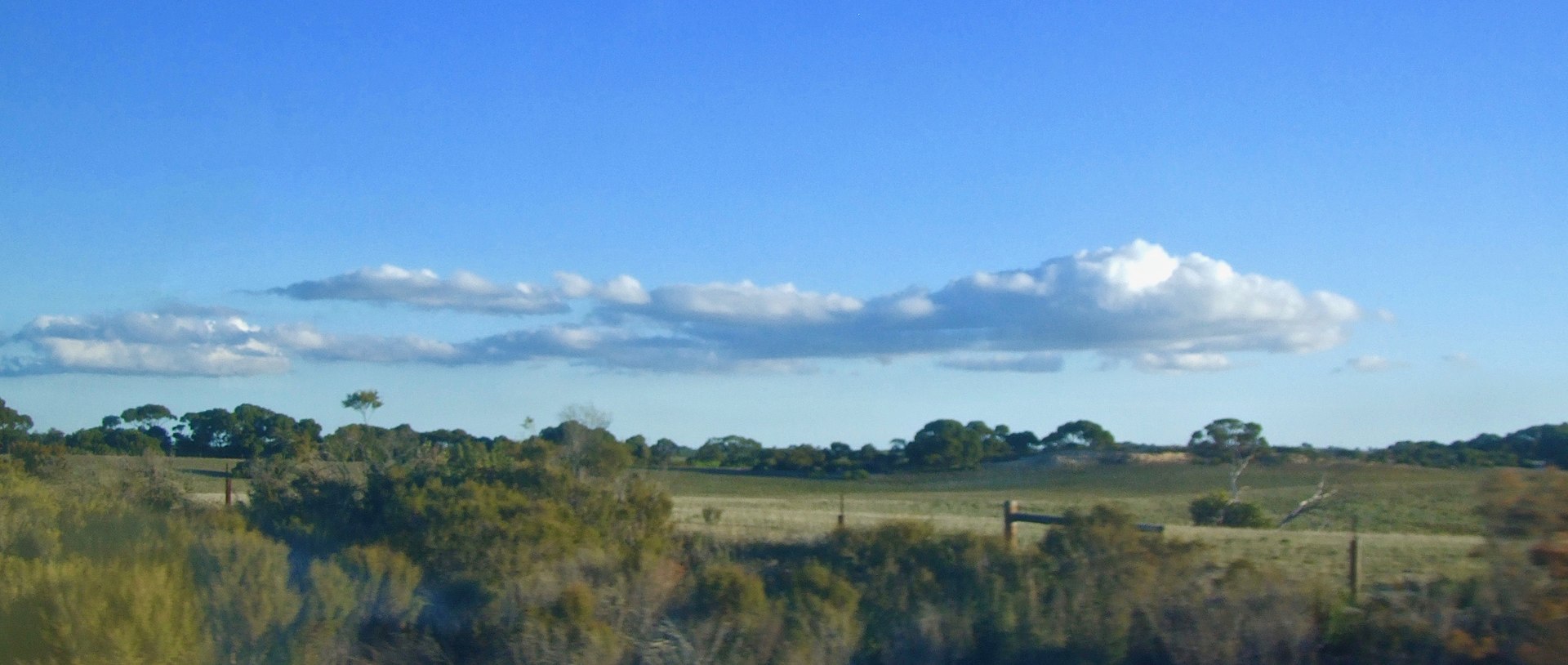
Brookfield Conservation Park exists because a Chicago zoo decided the southern hairy-nosed wombat - South Australia's faunal emblem - deserved a stronghold. In 1971 the Chicago Zoological Society, operators of Brookfield Zoo, bought this stretch of bluebush plain and mallee west of Blanchetown with a donation from the Forest Park Foundation, ran it as the Brookfield Zoo Wombat Reserve, and in 1977 gifted the whole 5,515 hectares to the South Australian Government. Wombat research has continued here ever since.
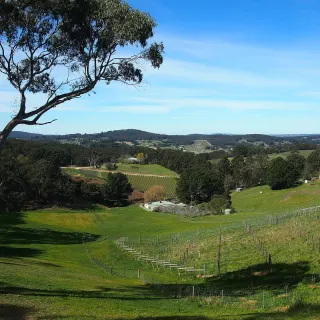
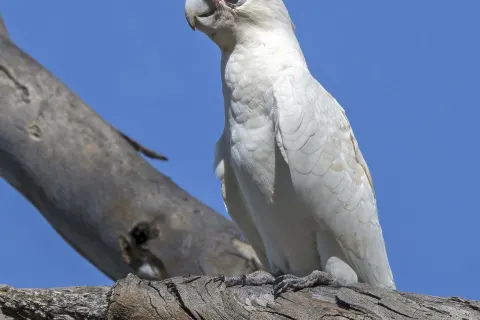
The wombats are the headline act, and their engineering is everywhere - sprawling warren systems mounded across the open flats. The animals themselves keep cool underground through the heat of the day, so time your visit for dawn or dusk and scan the bluebush edges; mild winter days are kindest to your odds. Western grey kangaroos, emus and a strong cast of mallee birds - from apostlebirds to red-capped robins - fill in the daylight hours.
The park sits just off the Sturt Highway about 14 kilometres west of Blanchetown, making it an easy detour on the Adelaide run. Pair it with Lock 1 on the river for a half-day that spans the region's two worlds - wet and dry.
Find it on the map
Got a photo of Brookfield Conservation Park?
Share your best shot. If we use it in the gallery, you'll be credited by name. Photos are reviewed before going live.
Last verified 7 August 2026 · source: National Parks and Wildlife Service SA (parks.sa.gov.au)
You might also like
Similar experiences across Riverland
Brookfield Conservation Park - frequently asked questions
Why is it called Brookfield?
The park began as the Brookfield Zoo Wombat Reserve. In 1971 the Chicago Zoological Society - operators of Brookfield Zoo - purchased the land with a donation from the Forest Park Foundation to conserve the southern hairy-nosed wombat, and in 1977 gifted the reserve to the South Australian Government.
When are you most likely to see a wombat?
Southern hairy-nosed wombats spend hot days in their burrow systems and graze in the cool hours, so dawn and dusk are best, and mild winter days improve your odds. Drive slowly and watch the open bluebush country around warren mounds.
Sources
- National Parks and Wildlife Service SA (parks.sa.gov.au) (accessed August 2026)
Image credits
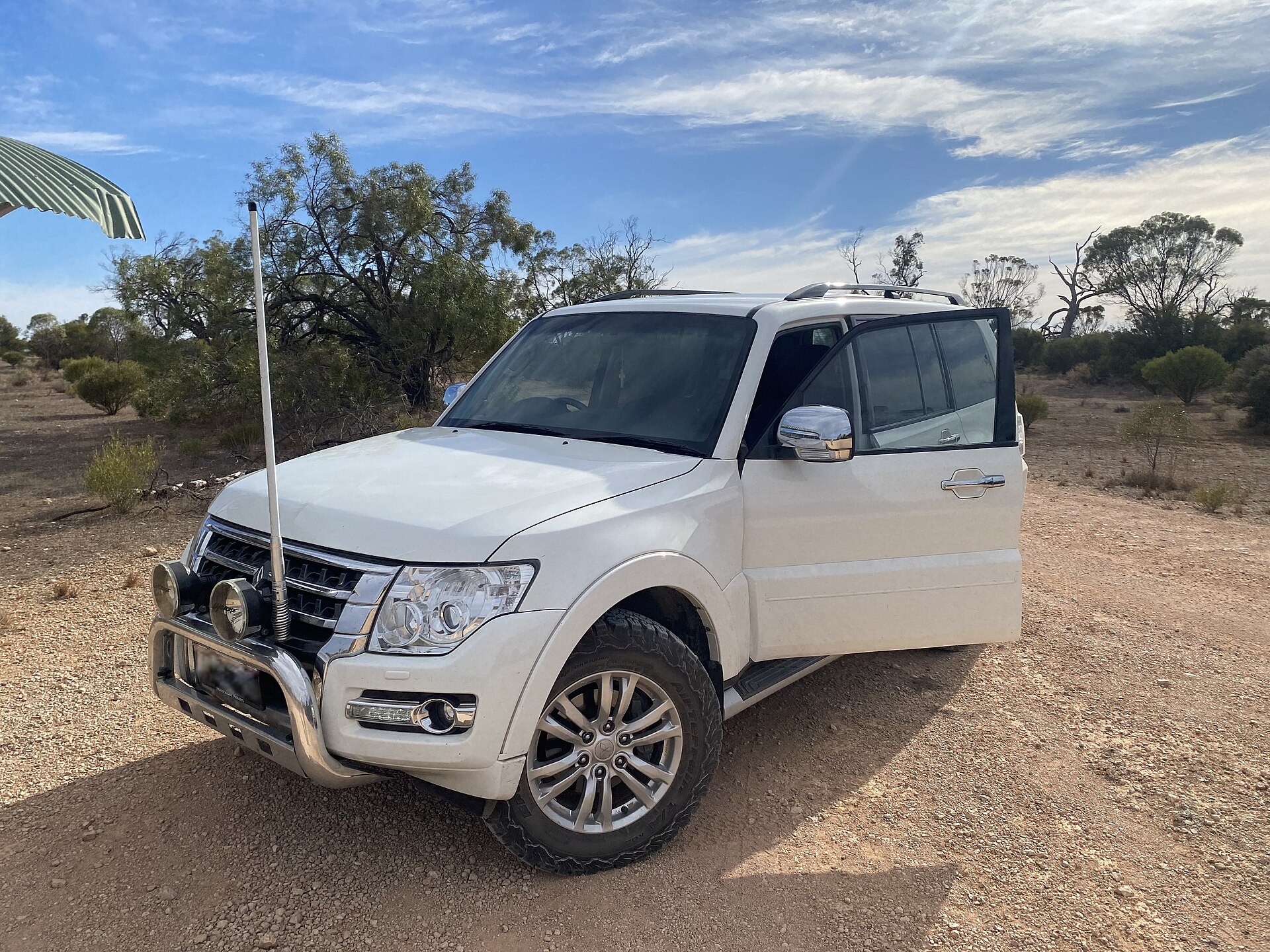
- Mitsubishi Pajero NX @ Brookfield Conservation Park 20240523-102455.jpg by RegionVisitor90 , CC0 via Wikimedia Commons