Katarapko (Murray River National Park)
Canoe trails and bush camps
The Katarapko section of the Murray River National Park, laced with anabranch creeks, bush campsites and canoe trails near Berri.
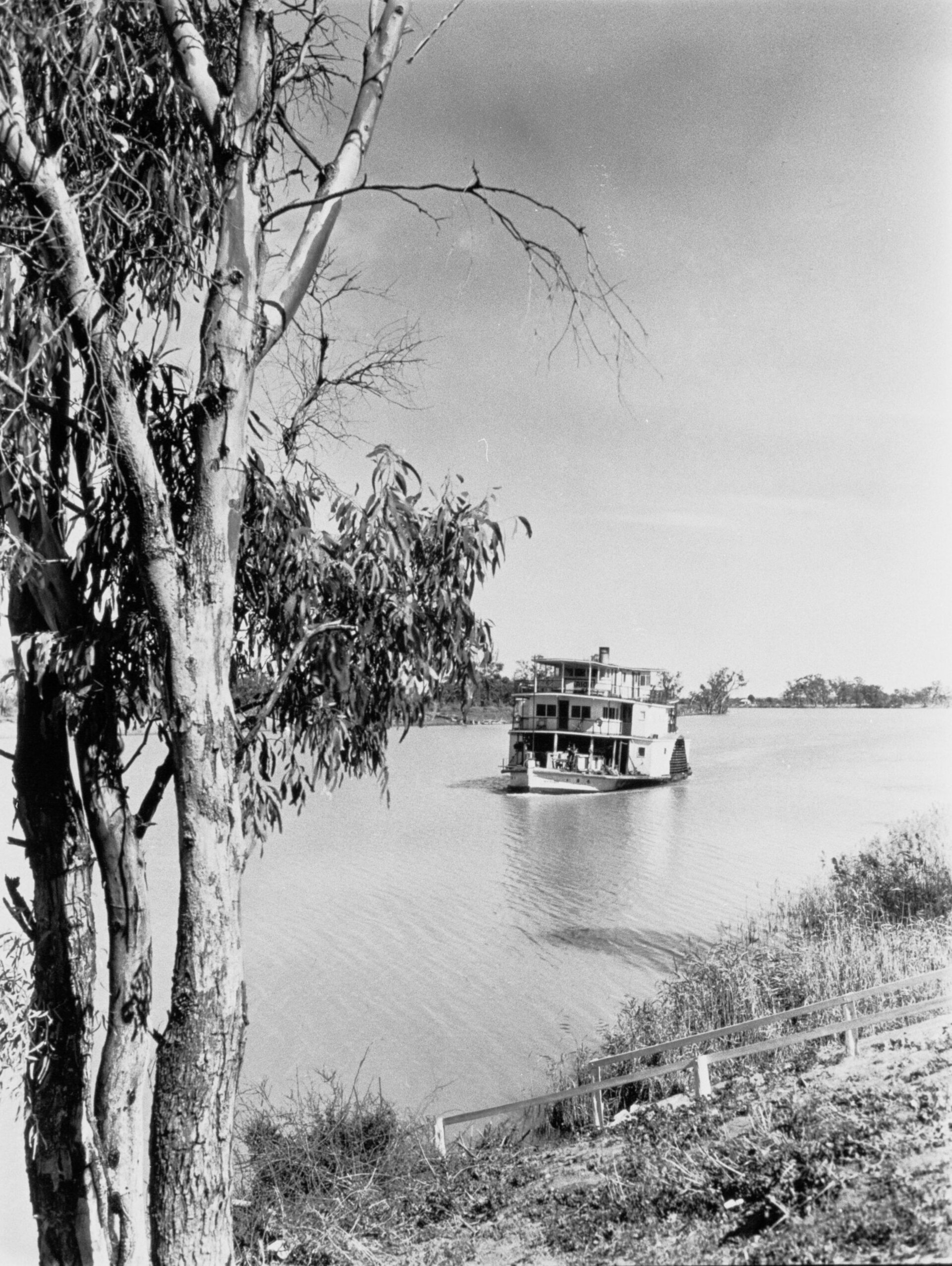
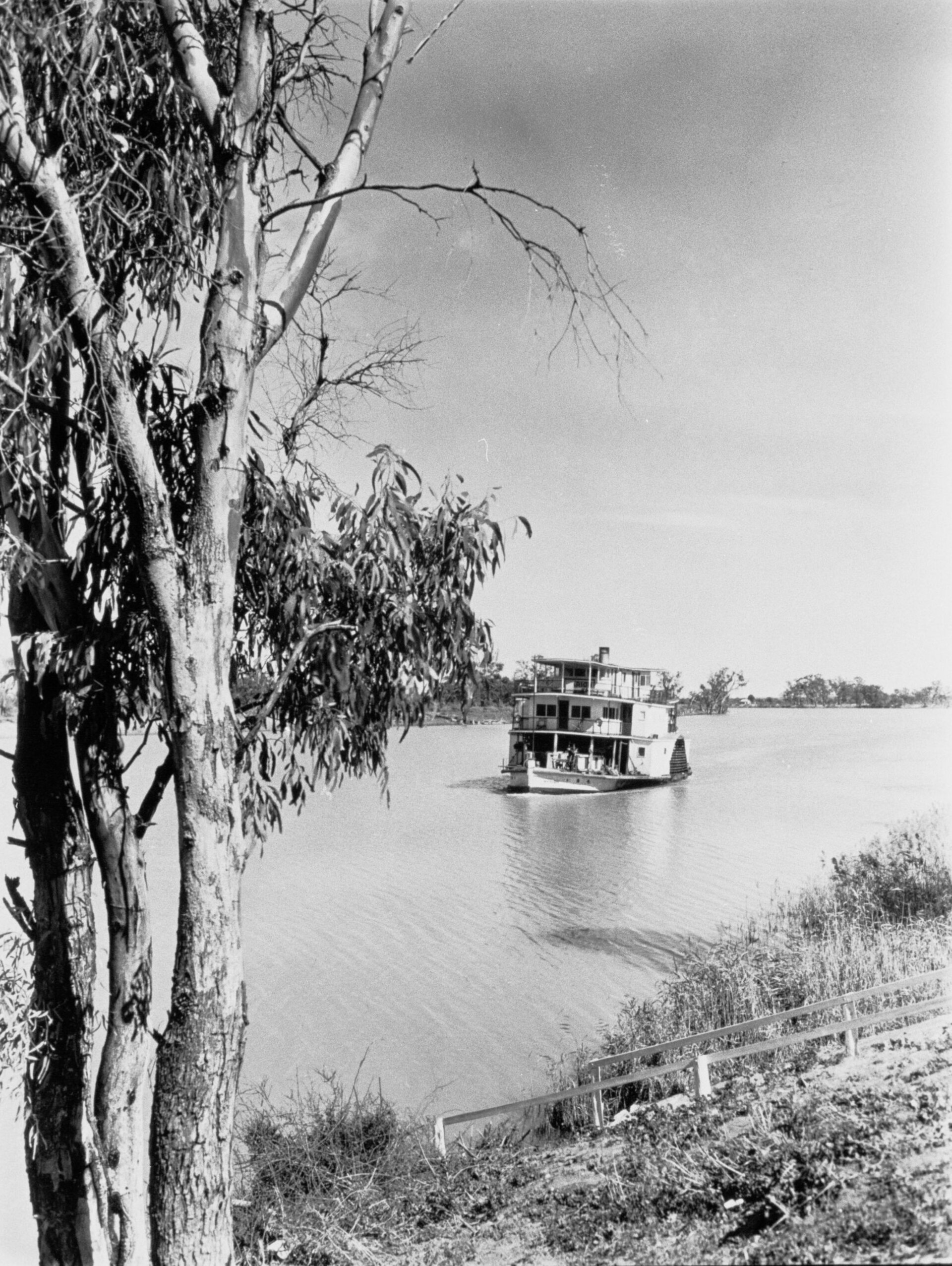
Katarapko — often called Katfish Reach by locals — is the Berri-side jewel of the Murray River National Park. A maze of anabranch creeks and wetlands winds between Katarapko Creek and the main river, creating sheltered canoe routes, prolific fishing and dozens of bush campsites tucked under the red gums. Birdlife is abundant, and the sense of quiet remoteness is remarkable given how close it is to town. It’s a favourite for paddling, camping and slow river days.
Find it on the map
Got a photo of Katarapko (Murray River National Park)?
Share your best shot. If we use it in the gallery, you'll be credited by name. Photos are reviewed before going live.
Featured in
-
#4
10 Best Nature & Wildlife Spots in the Riverland
Ramsar wetlands, red-gum floodplains and birdwatching hides across the Murray's greatest wild country.
-
#4
7 of the Best Riverland Wildlife & Nature Escapes
Mallee birds, floodplain lagoons and red gum forest
-
#2
8 Places to Camp Beside the Murray in the Riverland
Free grassy reserves, national park creek camps and lagoon-side sites — fall asleep to the river
Last verified 5 days ago
Within a short drive
Places within 5km of Katarapko (Murray River National Park)
You might also like
Similar experiences across Riverland
Katarapko (Murray River National Park) — frequently asked questions
Where is Katarapko?
Katarapko (also called Katfish or the Kata section) is part of Murray River National Park, near Berri in the South Australian Riverland. It takes in a large floodplain of river red gum, anabranch creeks and lagoons.
Do you need a permit to camp at Katarapko?
Yes. Camping at Katarapko requires a booking and camping permit through the South Australian national parks booking system. Sites range from riverside spots accessible by vehicle to quieter bush camps.
Can you canoe at Katarapko?
Yes. Katarapko has a marked canoe trail winding through its creeks, making it one of the Riverland's most popular flatwater paddling destinations, with frequent landings and abundant birdlife.
Image credits
- 'Marion' at Berri - River Murray(GN14094).jpg by State Government Photographer , CC0 via Wikimedia Commons