By Discover the Riverland · · 6 min read
Everyone comes to the Riverland for the river. But step away from the water and the ancient mallee tells a deeper, wilder story.
Two Riverlands
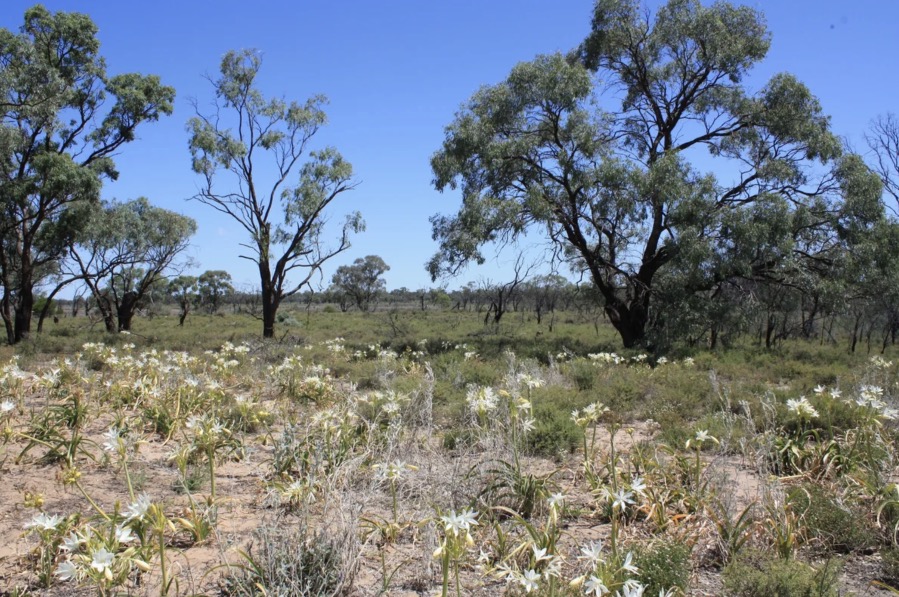
There are really two Riverlands. One is the lush, irrigated ribbon along the Murray - citrus, vines, houseboats and green riverfronts. The other begins where the irrigation stops: the mallee, a vast, dry country of multi-stemmed eucalypts and spinifex stretching north from the river.
Most visitors never see the second one. They should.
An ancient, fragile system
Mallee is old country, adapted to drought and fire over millions of years. Once it covered enormous tracts of southern Australia; most was cleared for wheat in the twentieth century. What survives in pockets like Gluepot Reserve north of Waikerie is precious - among the largest stands of old-growth mallee left anywhere.
It looks austere at first: low, grey-green, silent. Spend time in it and the detail emerges - the spinifex, the wildflowers after rain, the extraordinary birds.
The birds that live nowhere else
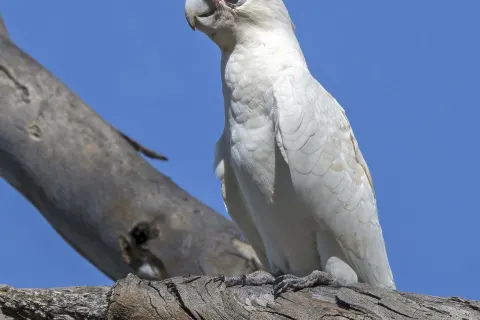
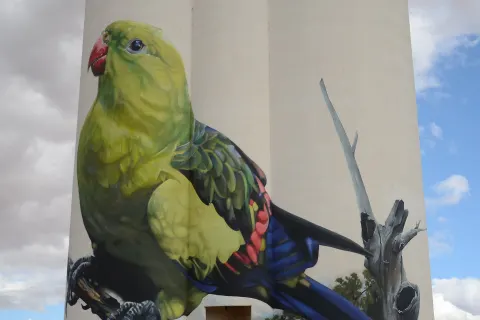
The mallee is a refuge for species that have vanished from the cleared country around it: the mound-building malleefowl, the black-eared miner, scarlet-chested parrots, red-lored whistlers. Birdwatchers travel from around the world to Gluepot for them. To stand in the mallee at dawn and hear it wake up is to understand why this country is protected at all.
A different kind of visit
The mallee asks more of you than the river. There's no shop, no signal, no easy comfort - you carry your own water and self-register at the gate. But the reward is silence, stars and a landscape almost unchanged by people. The river may be the Riverland's heart, but the mallee is its memory.