


By Discover the Riverland · · 5 min read
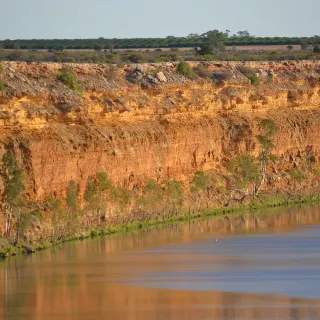
Ochre, cream and rust, glowing at sunset above the brown river. The Riverland's great cliffs are millions of years in the making - and they're still moving.
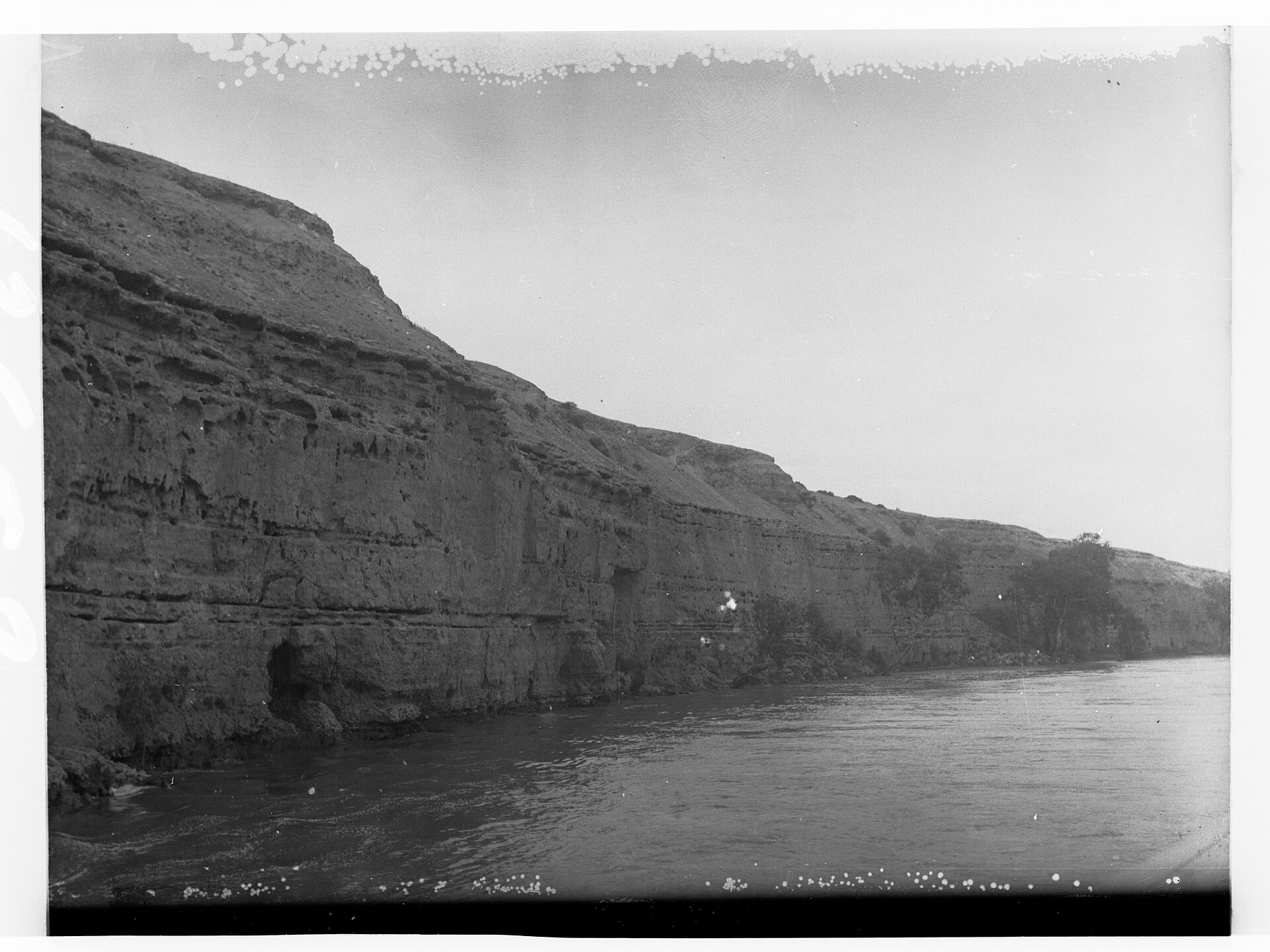
The first time you see them properly - say, from the Big Bend lookout, with the late sun on them - the Riverland cliffs stop you. They rise straight from the river in bands of ochre, cream and rust, glowing as if lit from within, while the brown Murray slides past at their feet. They are the region's signature view, and they are far older than the river that exposed them.
The cliffs are limestone and clay, laid down over millions of years when this whole region lay beneath a shallow sea. The layers you see - the soft pale bands, the iron-stained reds - are the sediments of that vanished ocean, compressed and lifted and then, finally, cut into by the Murray as it carved its course across the plain.
A living edge
What looks permanent is anything but. The cliffs are soft, and the river keeps working at them. They undercut and collapse, slumping into the water in great falls that reshape the bank. The faces you photograph today are not quite the faces of a decade ago, and they won't be the faces of a decade hence. This is a landscape in slow motion.
That softness also makes them habitat. Bank-nesting birds - bee-eaters, kingfishers, woodswallows - burrow into the crumbling stone, and the cliffs pock with their nest holes in season. Stand quietly beneath a cliff face in spring and you'll see the air full of birds working in and out of the rock.
Chasing the light
The cliffs are at their best in the last hour before sunset, when the low sun strikes them side-on and the colours intensify to something almost unreal. The lower Riverland is the place to chase them: Big Bend, Morgan, Walker Flat, the Waikerie cliffs, the lesser-known ochre walls below Loxton.
Drive that country in the golden hour and you understand why the cliffs have come to stand for the whole region. The river made the Riverland fertile, but the cliffs made it beautiful - a great ribbon of colour, hundreds of millions of years in the laying down, lit fresh each evening as the sun goes down over the Murray.