Oranges by the million, almonds by the tonne, and it all comes down to water. The story of how the Riverland learned to feed the country.
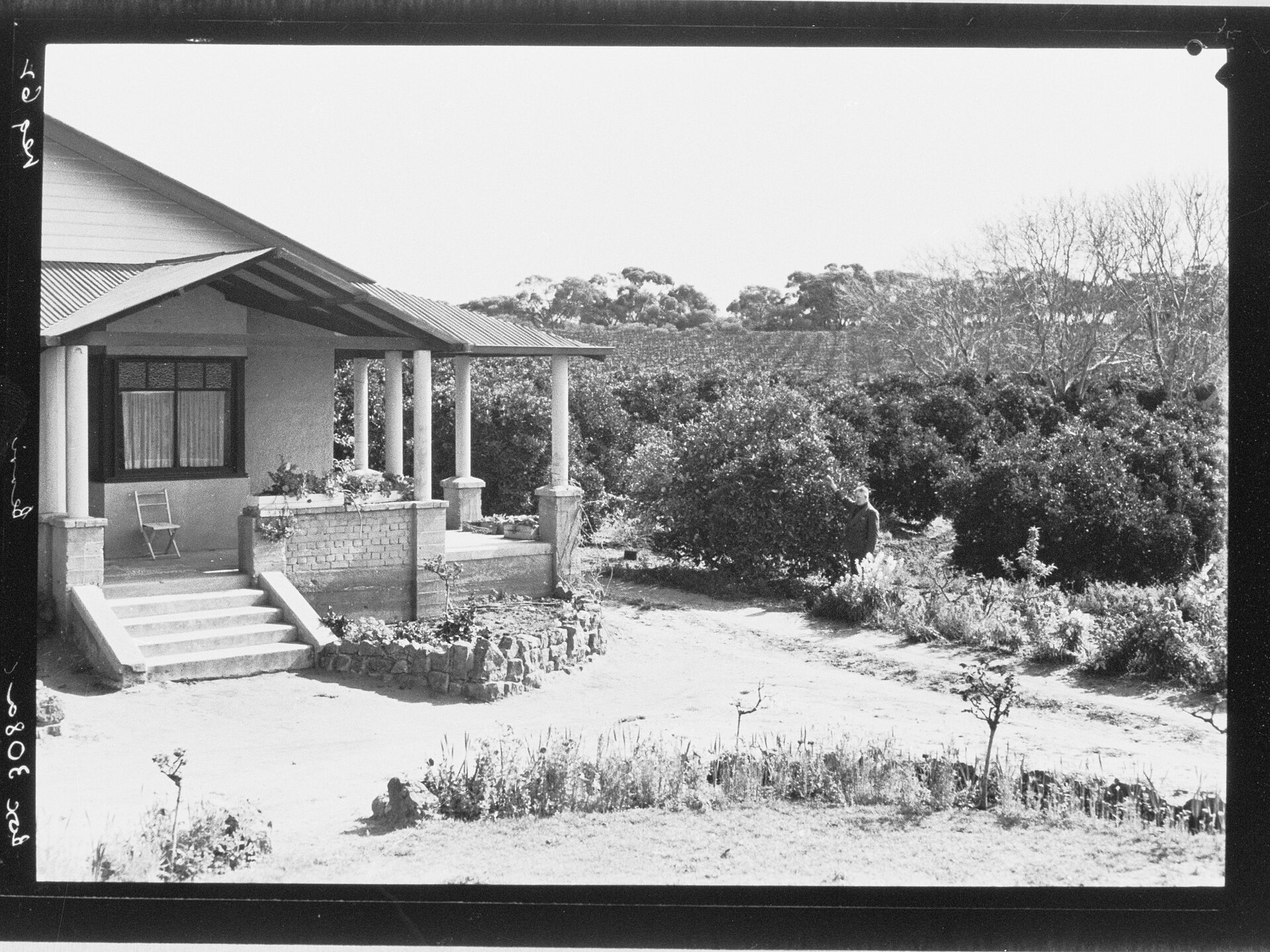
Drive the back roads around Qualco or Waikerie in winter and the air is sharp with citrus. Ranks of orange and mandarin trees run to the horizon, heavy with fruit, the rows dead straight and the channels between them glinting with Murray water. It is one of the great food-producing landscapes in the country, and a hundred years ago none of it was here.
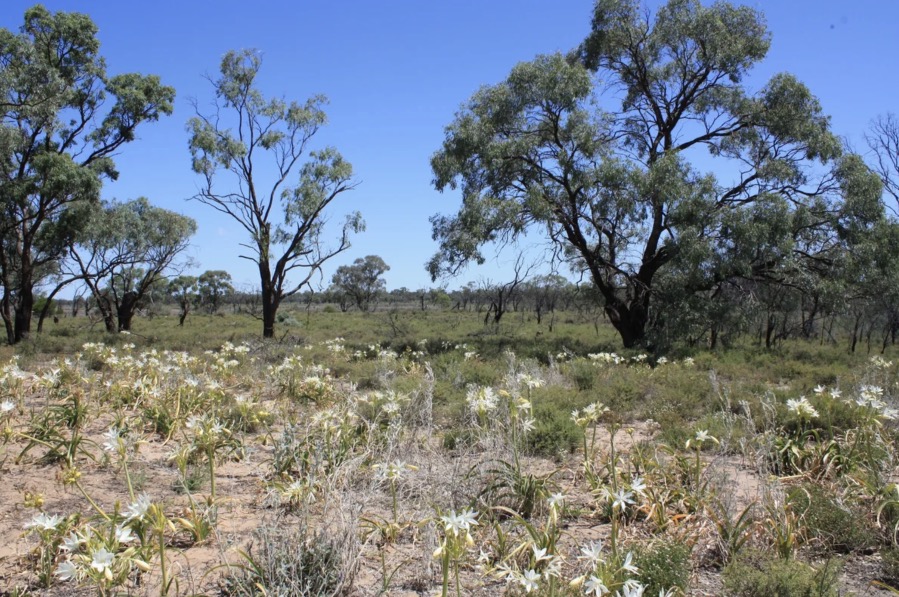
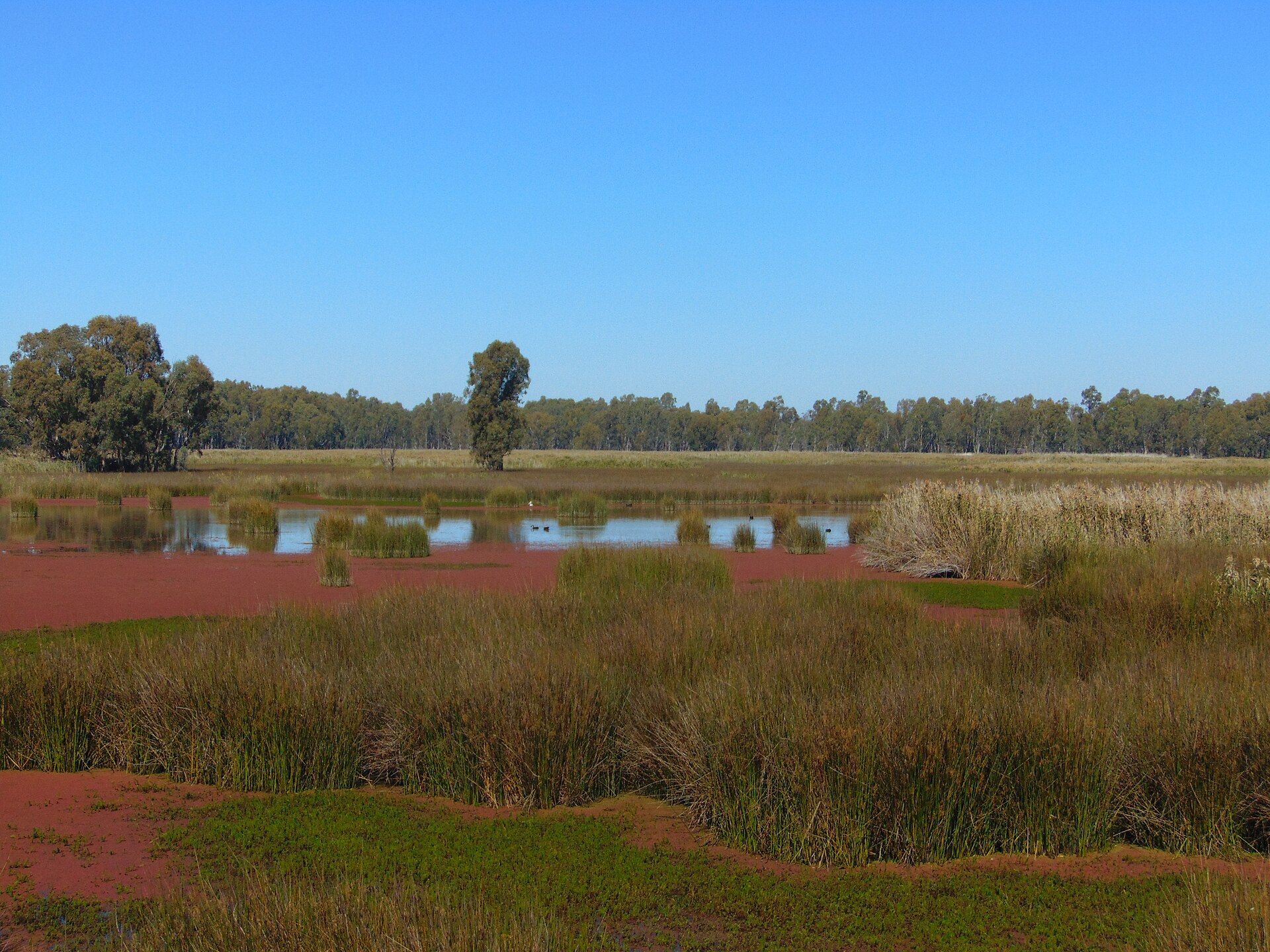
This was mallee — dry, sandy scrub that supported little but kangaroos and saltbush. What changed everything was water, lifted out of the Murray and spread across the plain. The Riverland is, in the most literal sense, a manufactured landscape, conjured out of engineering and ambition.
Water and muscle
The early irrigators faced a brutal problem: the river was right there, but it sat below the land, and the land was vast. Lifting that much water took extraordinary machinery — pumps and steam engines and, at Cobdogla, a rare Humphrey pump that survives in working order to this day. Once the water reached the rows, the desert bloomed.
What it bloomed into was fruit. The Riverland grows a huge share of Australia's citrus, along with almonds, stone fruit and wine grapes in their millions. The packing sheds run flat out in season; the roadside stalls sell fruit picked the same morning.
A taste of the place
You can taste all of this if you know where to look. Buy oranges from a Renmark honesty stall and eat them in the car, juice running down your wrist. Stop at an almond outlet near Loxton or Waikerie. In spring, drive through the orchards when the blossom is out and the whole district smells of it.
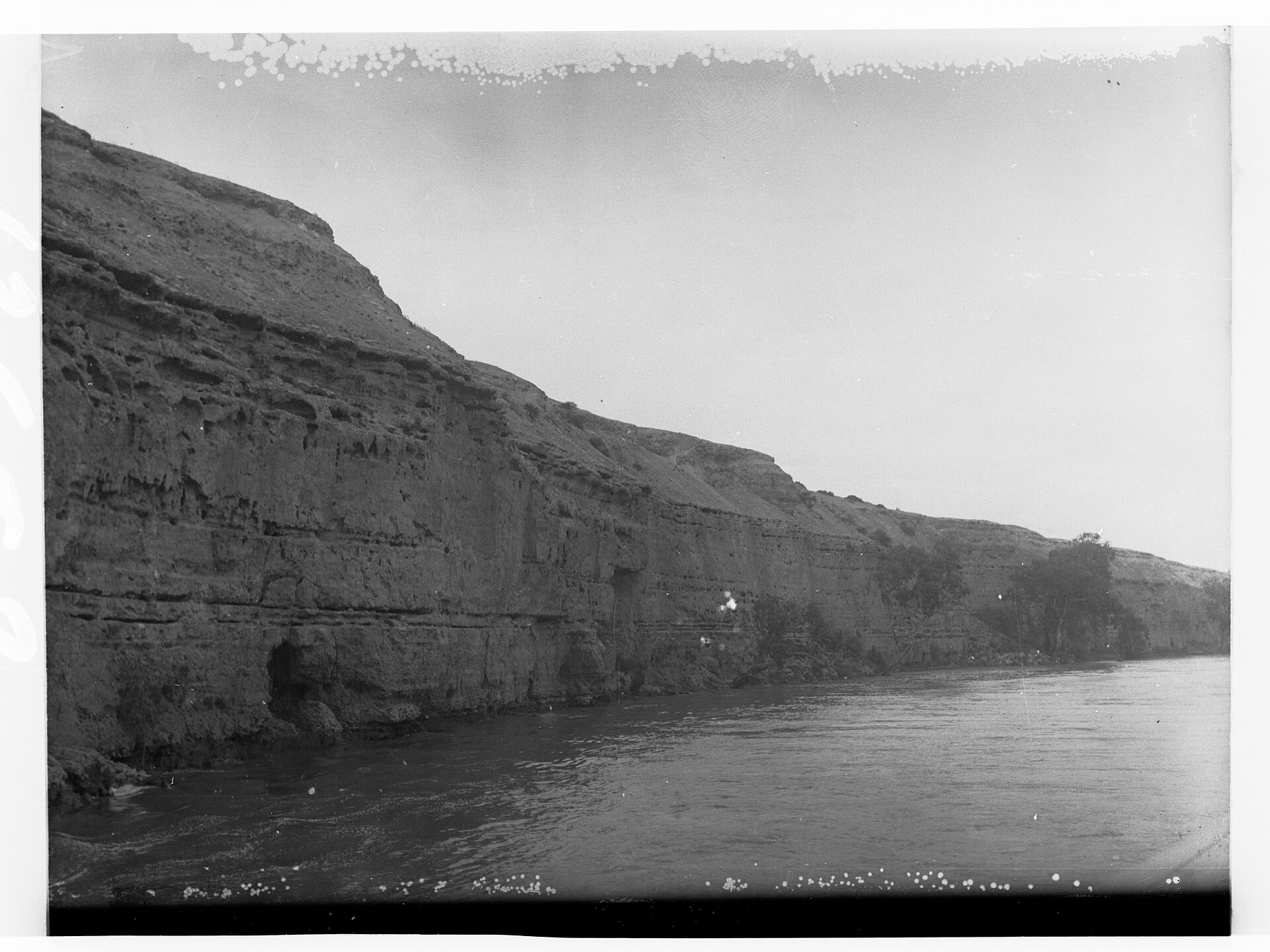
There's a temptation to see the Riverland's beauty only in its wetlands and cliffs, the wild river that came before. But the orchards are beautiful too, in their own ordered way — and they tell the more remarkable story. This is what people made of the river. A dry plain, a great brown river, and the stubborn idea that you could marry the two. The fruit bowl on the river is the result, and it feeds the nation still.