By Discover the Riverland · · 5 min read
Donald Campbell chased a record here; today it's for swimming and sailing. The many lives of Lake Bonney, the Riverland's freshwater playground.
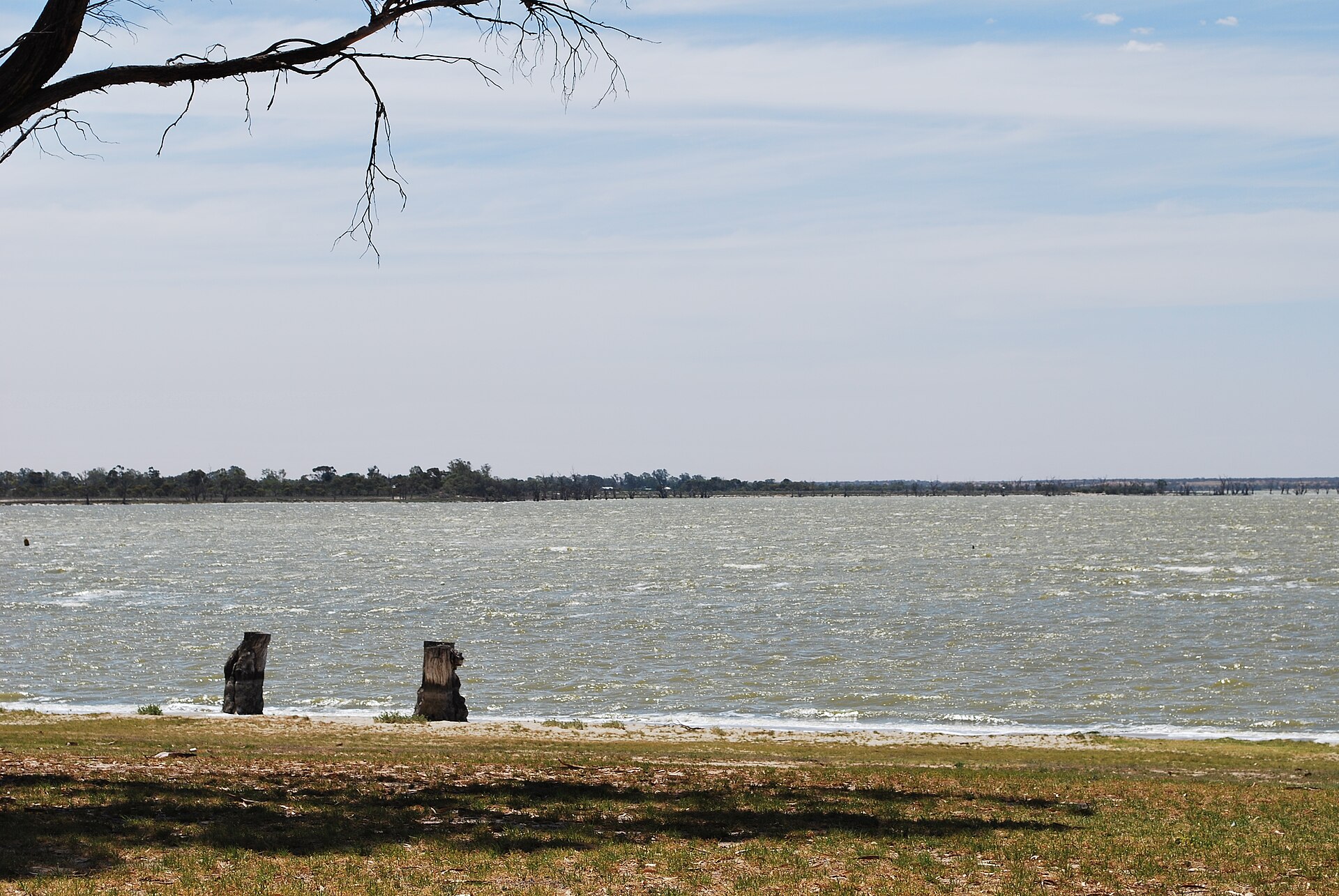
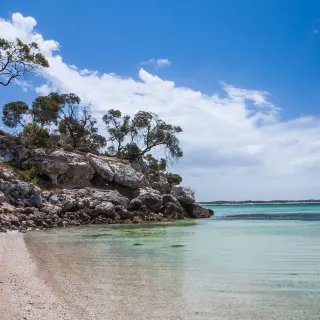
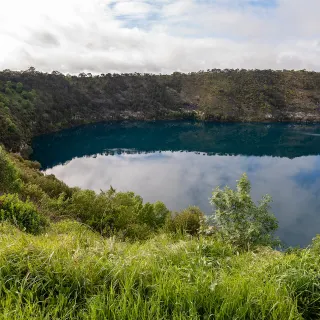
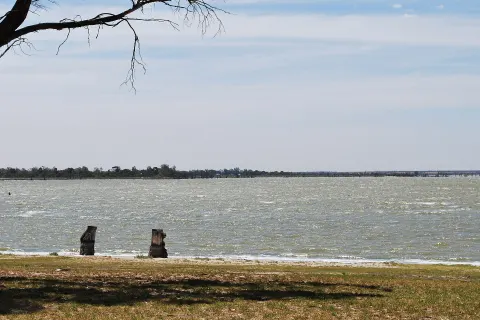
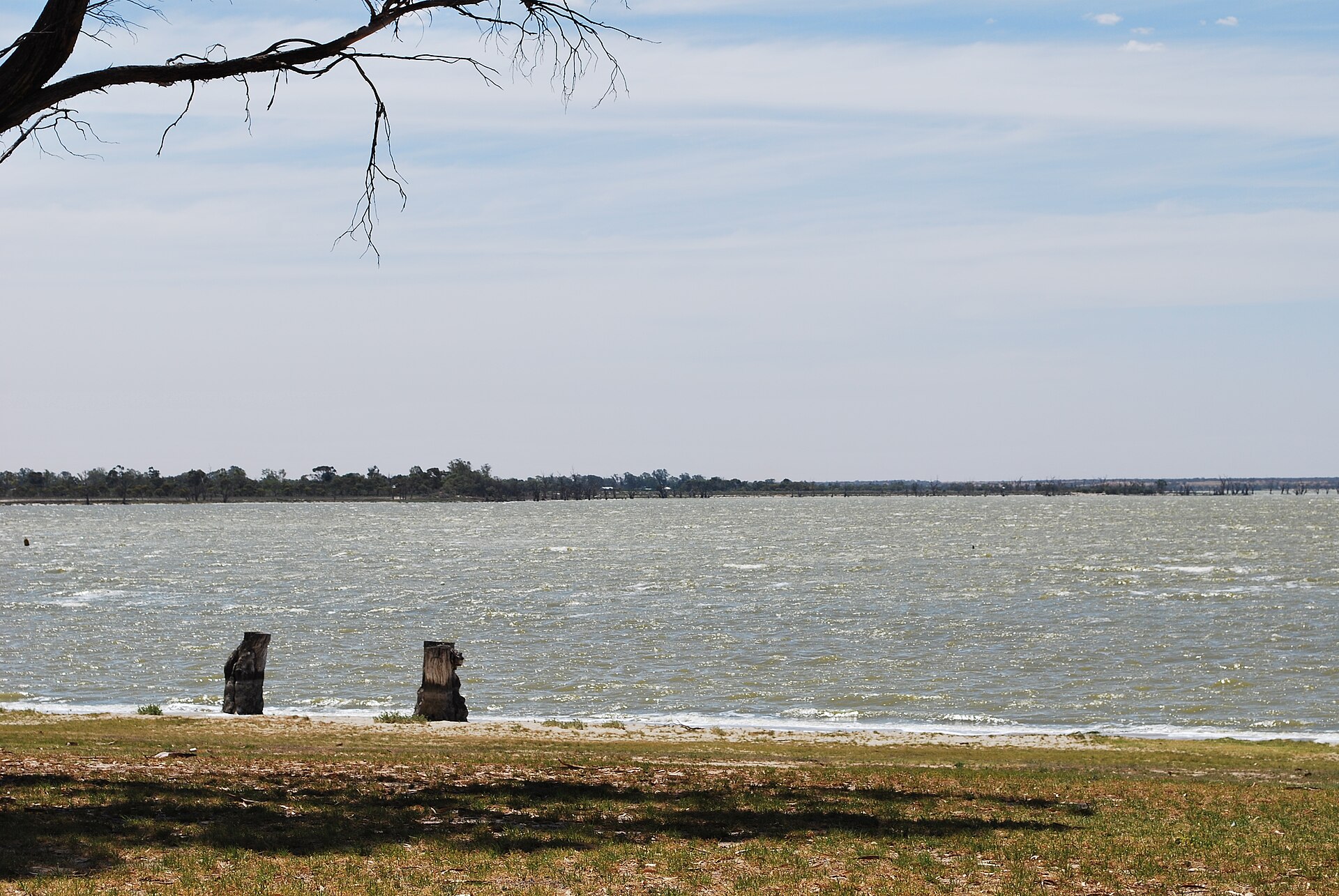
On a still morning, Lake Bonney can look like the sea. The far shore dissolves into haze, the water stretches flat and silver, and the only sound is the slap of small waves on the sand. It is the Riverland's great inland water - a broad, shallow freshwater lake fed from the Murray, with Barmera sitting on its eastern shore.
For a place so peaceful, it has a surprisingly fast history. In the 1960s, the lake's long, smooth expanse drew Donald Campbell, the British speed-record chaser, who brought his Bluebird here in pursuit of the water speed record. For a brief, roaring moment, this quiet country lake was a place of jet engines and world records.
A gentler use
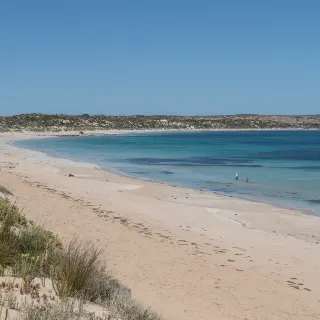
The records are gone, but the lake remains the district's playground. In summer the Barmera foreshore fills with families: kids on the sand, dinghies tacking across the bay, skiers carving the calm water. The freshwater is clean and warm, the shore gentle, and the whole thing has the unhurried feel of a country holiday from another era.
It is, in the best sense, an ordinary pleasure. There's no entry fee, no spectacle, just a big lake and a long afternoon. You swim, you laze on the grass under the shade trees, you watch the sails. The kids never want to leave.
Big skies
What sets Lake Bonney apart is the light. With so much open water and so few obstructions, the sky does extraordinary things here, especially at the end of the day. The sun goes down over the western shore and the whole lake catches fire - pink, then orange, then a deep bruised purple - before the stars come out over water gone to black glass.
Donald Campbell came here for speed and noise. Most of us come for the opposite: the slow afternoons, the warm water, the enormous quiet skies. The lake has time for both. It always has.