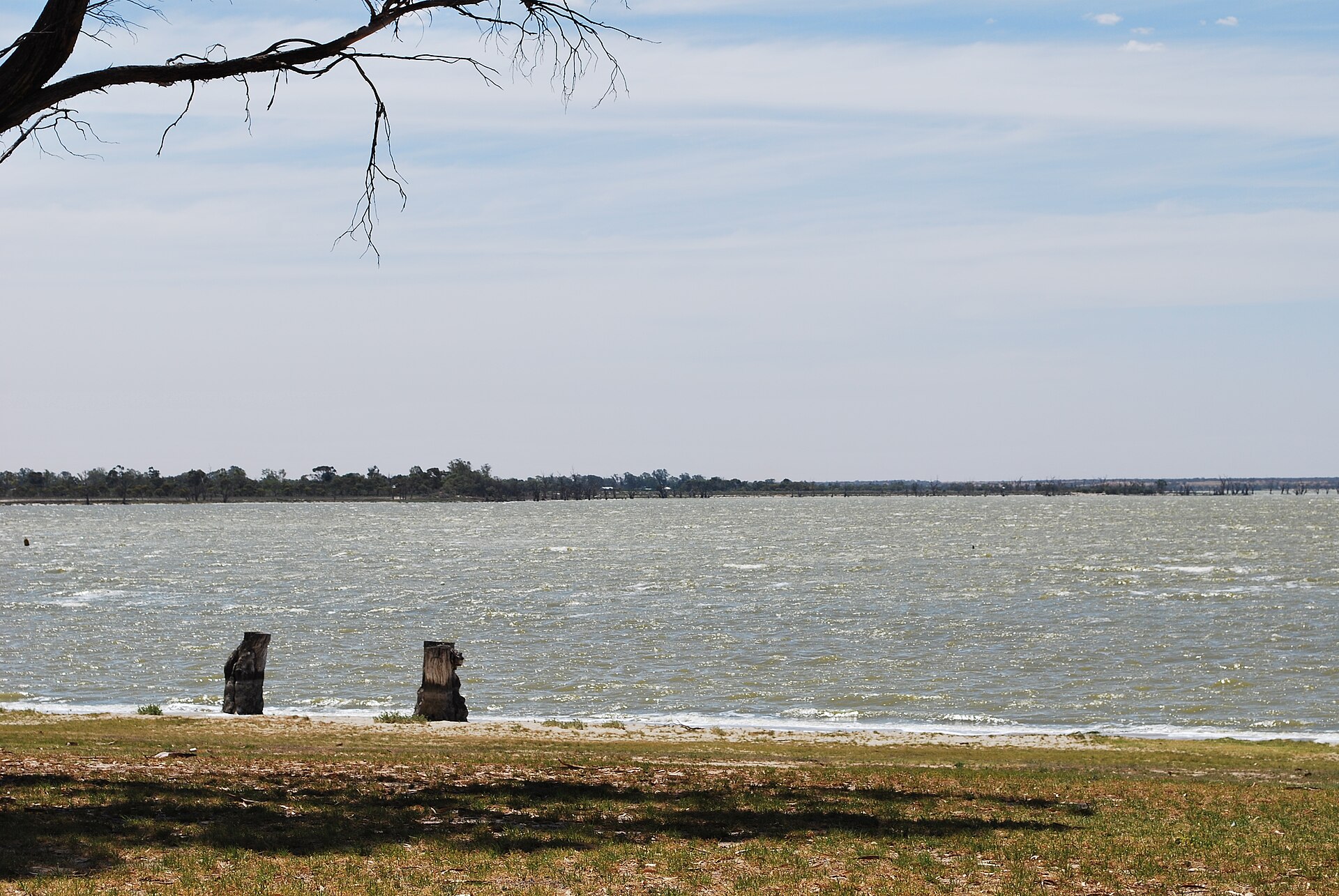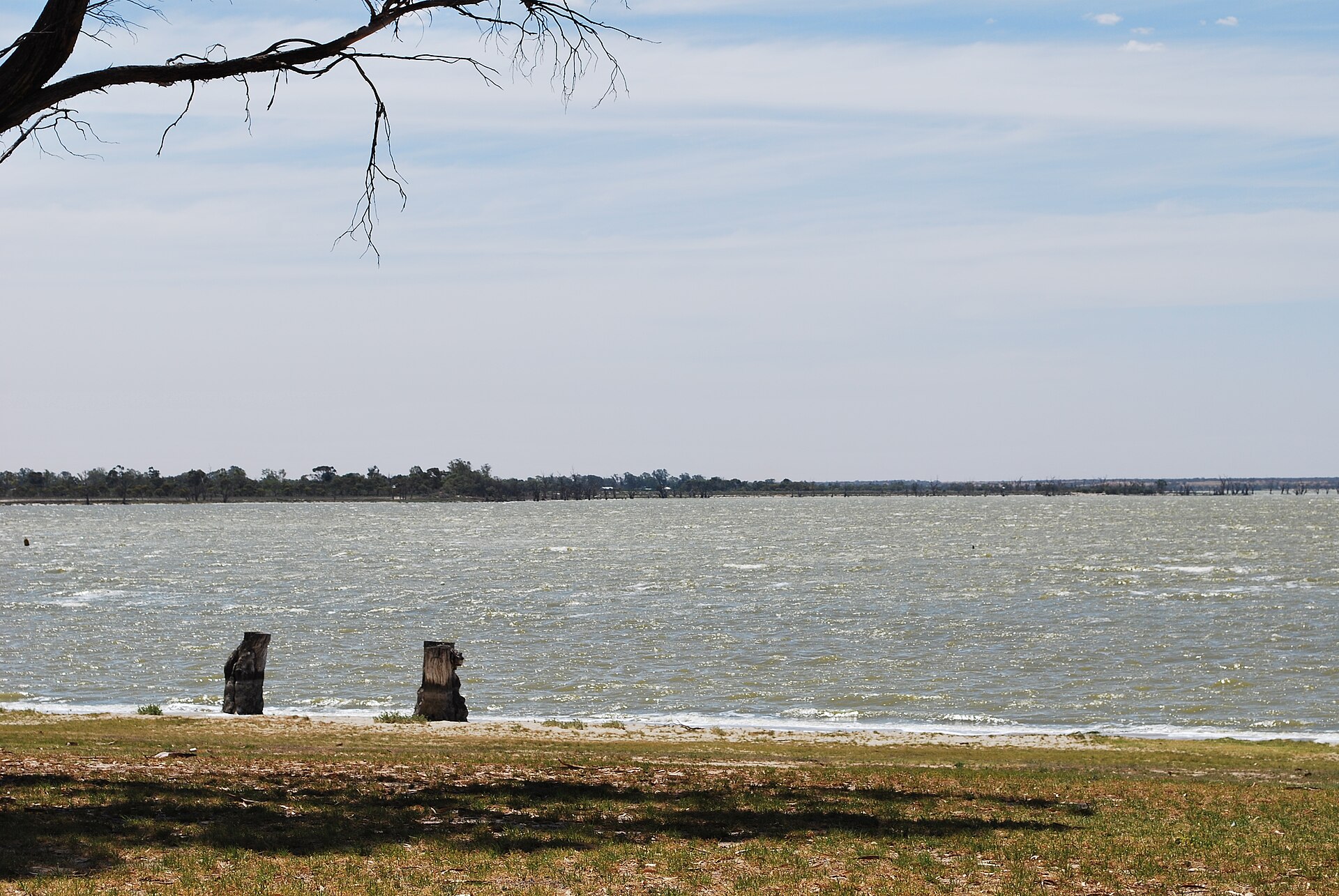
When the Riverland's wetlands fill, they become a continental crossroads for waterbirds - a spectacle that plays out largely unnoticed.
A network of water
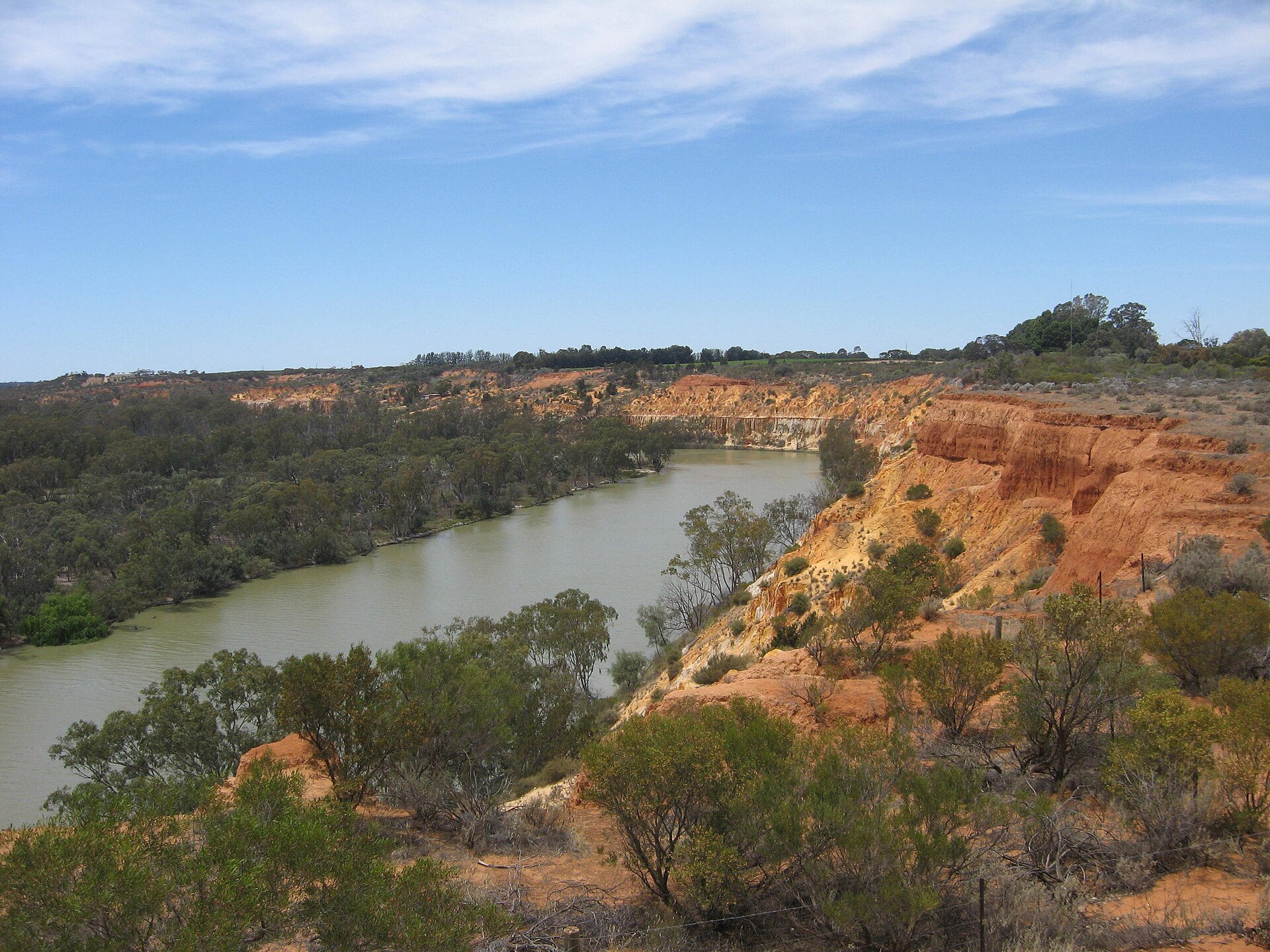
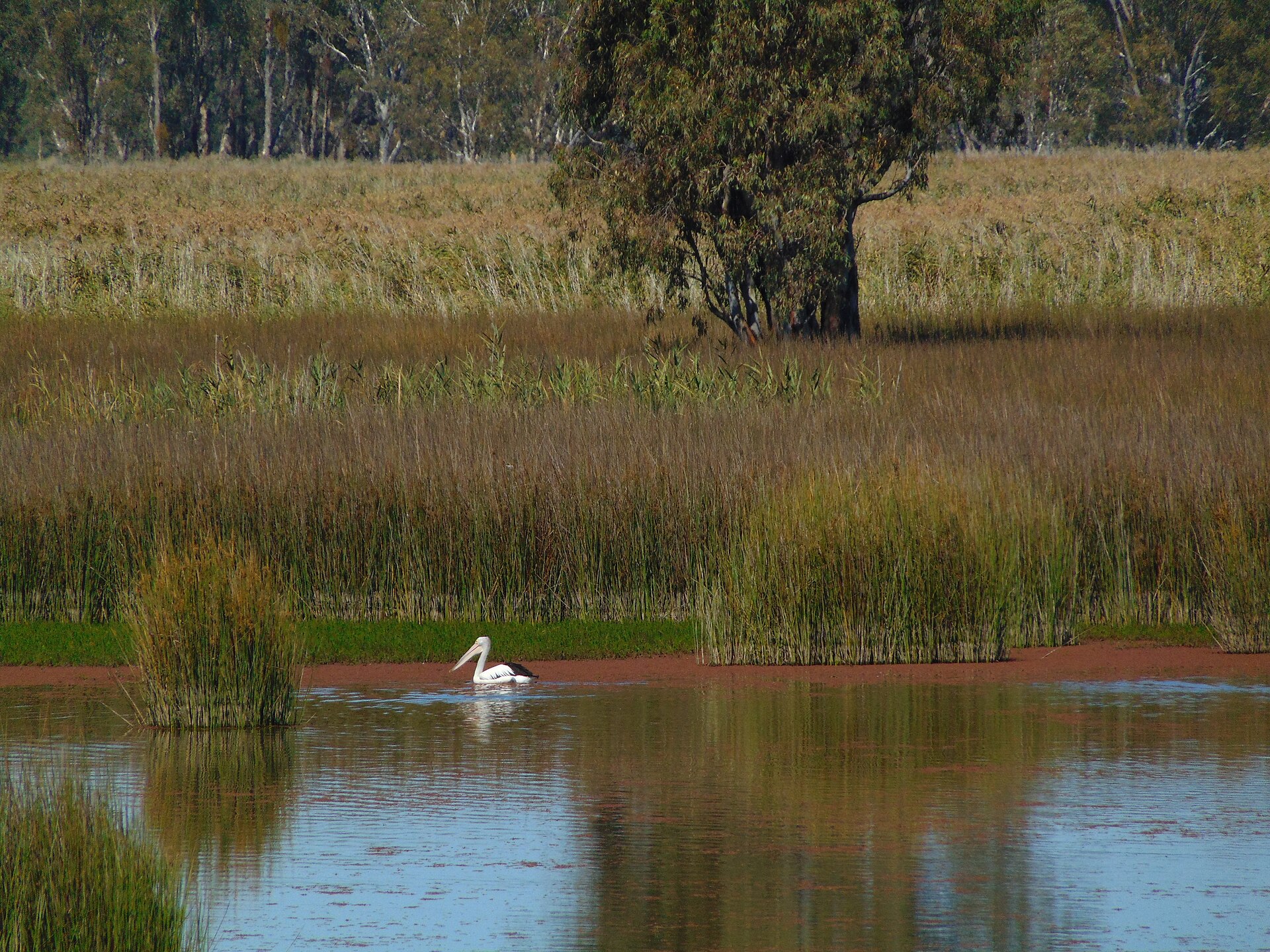
The Murray doesn't just flow through the Riverland - it spreads out across it, in a network of lagoons, backwaters and floodplain wetlands like Hart Lagoon, Loch Luna, Chowilla and Pike. When water moves through these systems, they erupt with life.
For waterbirds, this network is a lifeline. In a dry continent, reliable wetlands are precious, and the Riverland holds some of the most important in the Murray-Darling Basin.
Birds from everywhere
When conditions are right, the wetlands draw birds from astonishing distances. Some, like migratory shorebirds, arrive from the northern hemisphere, flying thousands of kilometres to feed on the river's edge. Others are nomads of the inland, appearing seemingly from nowhere when the water rises - pelicans, ibis, spoonbills, egrets and great rafts of ducks.
Breeding events can be enormous, with thousands of birds nesting in flooded red gum and lignum.
The art of managed water
What makes the modern Riverland's wetlands work is increasingly deliberate. Regulators, environmental flows and reconnection works at places like Pike and Chowilla are used to mimic the natural wetting and drying the floodplain evolved with. Get it right and the birds respond within weeks.
How to see it
You don't need to be an expert. A dawn visit to Hart Lagoon's hide, a paddle through the Loch Luna backwaters, or a slow walk along a flooded riverfront will put you among it. Watch a wetland draw down and concentrate its birds, and you'll witness one of inland Australia's great natural spectacles - hiding in plain sight.