By Discover the Riverland · · 6 min read
From 1941 the flats south of Barmera held Australia's largest wartime internment complex - 5,380 civilians of German, Italian and Japanese descent, a farm that grew army morphine poppies, and the only camp in the country to turn a profit.
A town behind the town
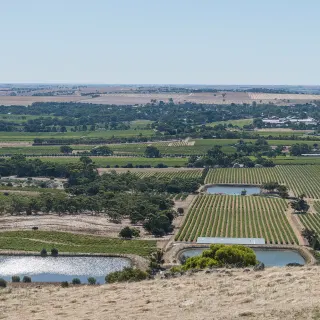
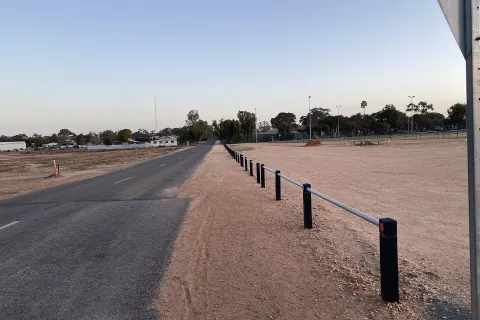
Six kilometres south of Barmera, among vineyards and fodder paddocks, are the remains of what was briefly one of the largest communities in South Australia's Riverland - and one nobody chose to join. From 1941, the flats at Loveday held Australia's biggest wartime internment complex: Camps 9, 10 and 14, with a group headquarters between them, holding 5,380 internees at the peak, watched over by more than 1,500 Australian military personnel.
The internees were civilians of German, Italian and Japanese descent - some long-settled Australians, others detained across the Pacific and shipped here - caught by the brutal blanket logic of wartime. Behind the barbed wire they organised kitchens, orchestras, schools and gardens, and waited out a war most of them had no part in making.
The camp that farmed
What made Loveday genuinely unusual was what it grew. Under its commandant, Lieutenant Colonel Edwin Theyer Dean, the camp became a sprawling agricultural enterprise: vegetables and seed crops, pigs and poultry - and stranger harvests. Internees grew opium poppies, processed for the army's morphine supply, and pyrethrum daisies for insect repellent bound for the jungle war to the north. Wood camps at Woolenook Bend upstream of Renmark, at Katarapko near Loxton and at Moorook West cut timber to feed the boilers.
The books balanced in a way no other camp in the country managed: Loveday was the only internment camp in Australia to turn a profit. It is a strange boast, and the Riverland holds it at arm's length - but it says something about the irrigated land's productivity that even captivity here came with a harvest.
What remains
When the war ended the camps emptied fast, and the Riverland did what it does with all spare infrastructure: absorbed it. Buildings were sold and shifted, the land went back to farming, and for decades Loveday survived mainly in memory and in the names on local honour boards.
Today the story is properly kept. A heritage-listed precinct around Loveday Hall on Thiele Road - once the group headquarters and Camp 10 - is in the care of the Berri Barmera Council, and ruins and traces remain across the district (much of it on private farmland, so explore from the roads). The essential first stop is the permanent Loveday Internment Collection display at the Barmera Visitor Information Centre, where photographs, objects and recorded memories put faces to the numbers.
Make a day of it
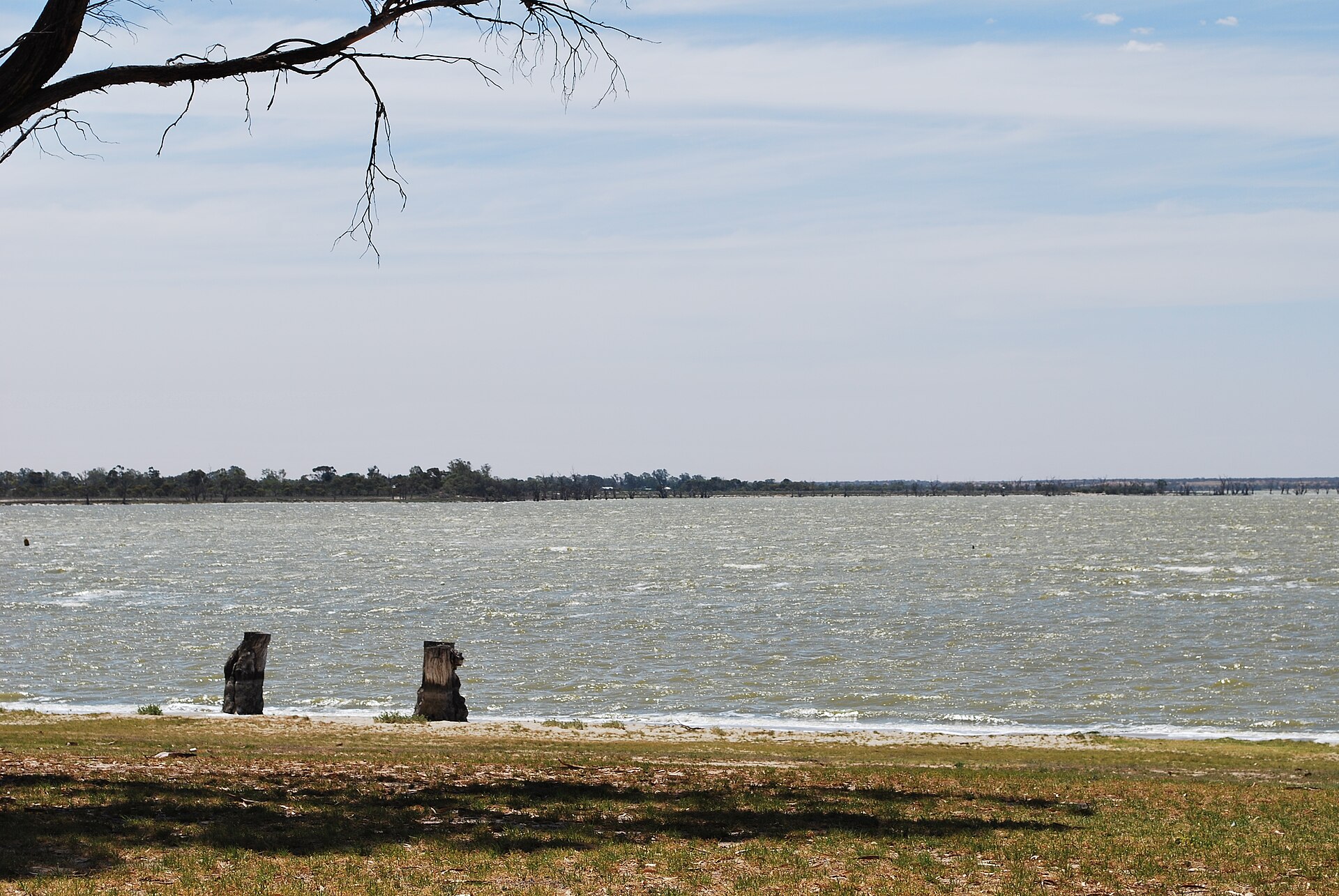
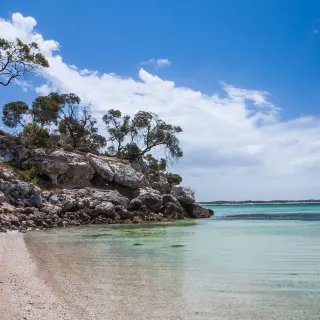
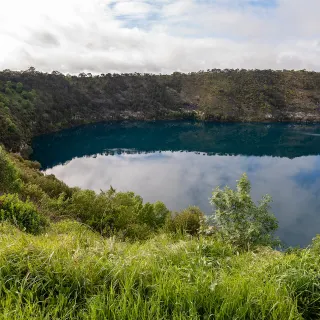
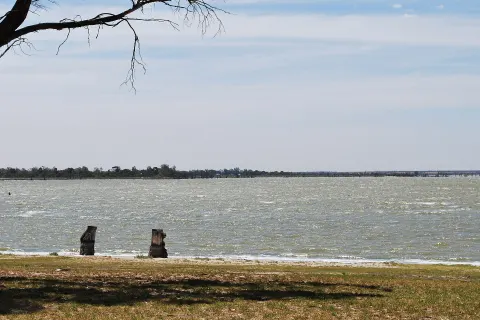
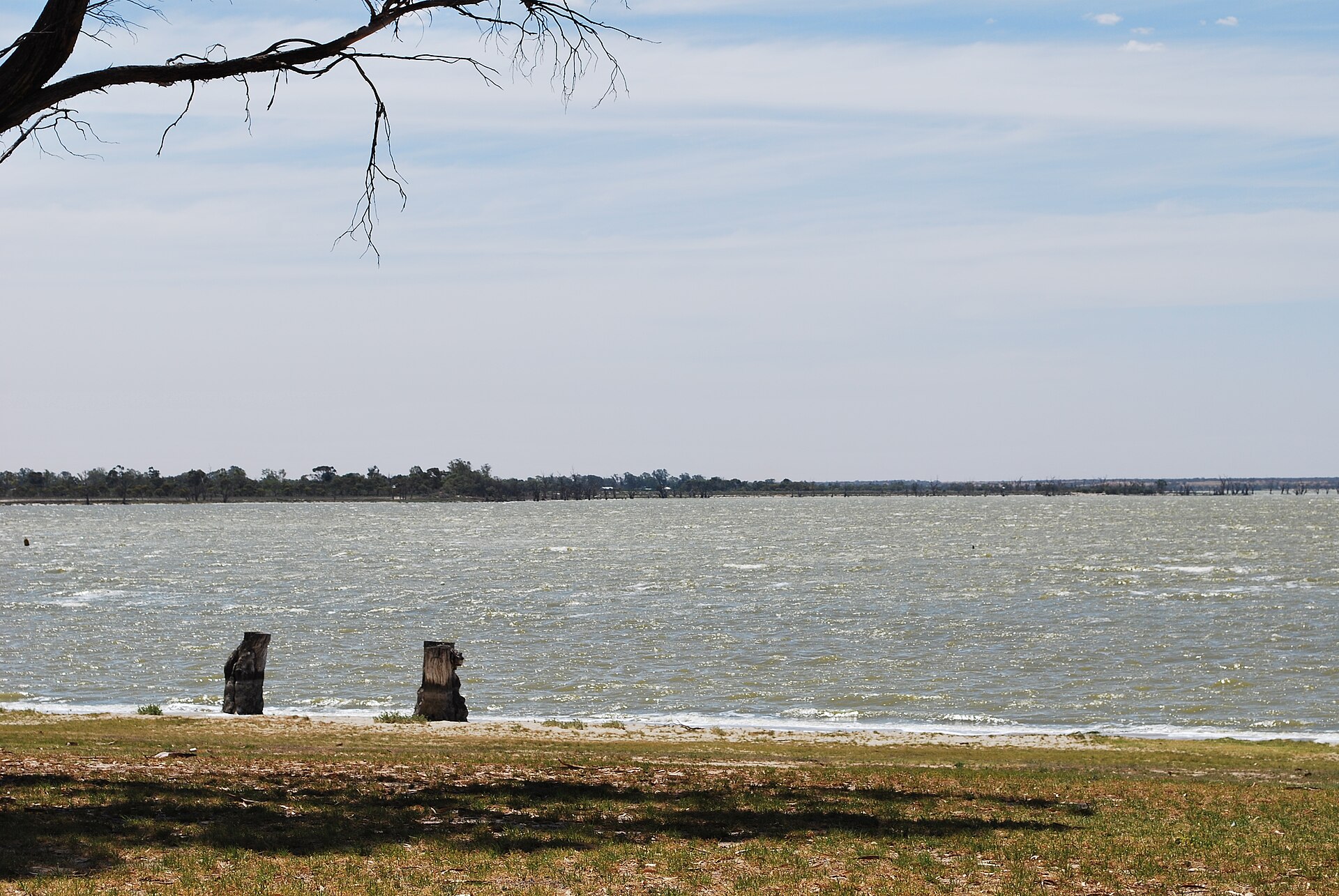
The Loveday flats sit in easy reach of the district's gentler history. Lake Bonney, where internees were occasionally marched for swimming parades, is Barmera's blue front yard; and the Overland Corner Hotel has been absorbing Riverland stories since 1859. For more of the region's layered past, see our list of places to touch the Riverland's history.