

By Discover the Riverland · · 6 min read
Before the railways and highways, the Riverland's lifeline was the paddle steamer. Their legacy still shapes every river town.
The river highway
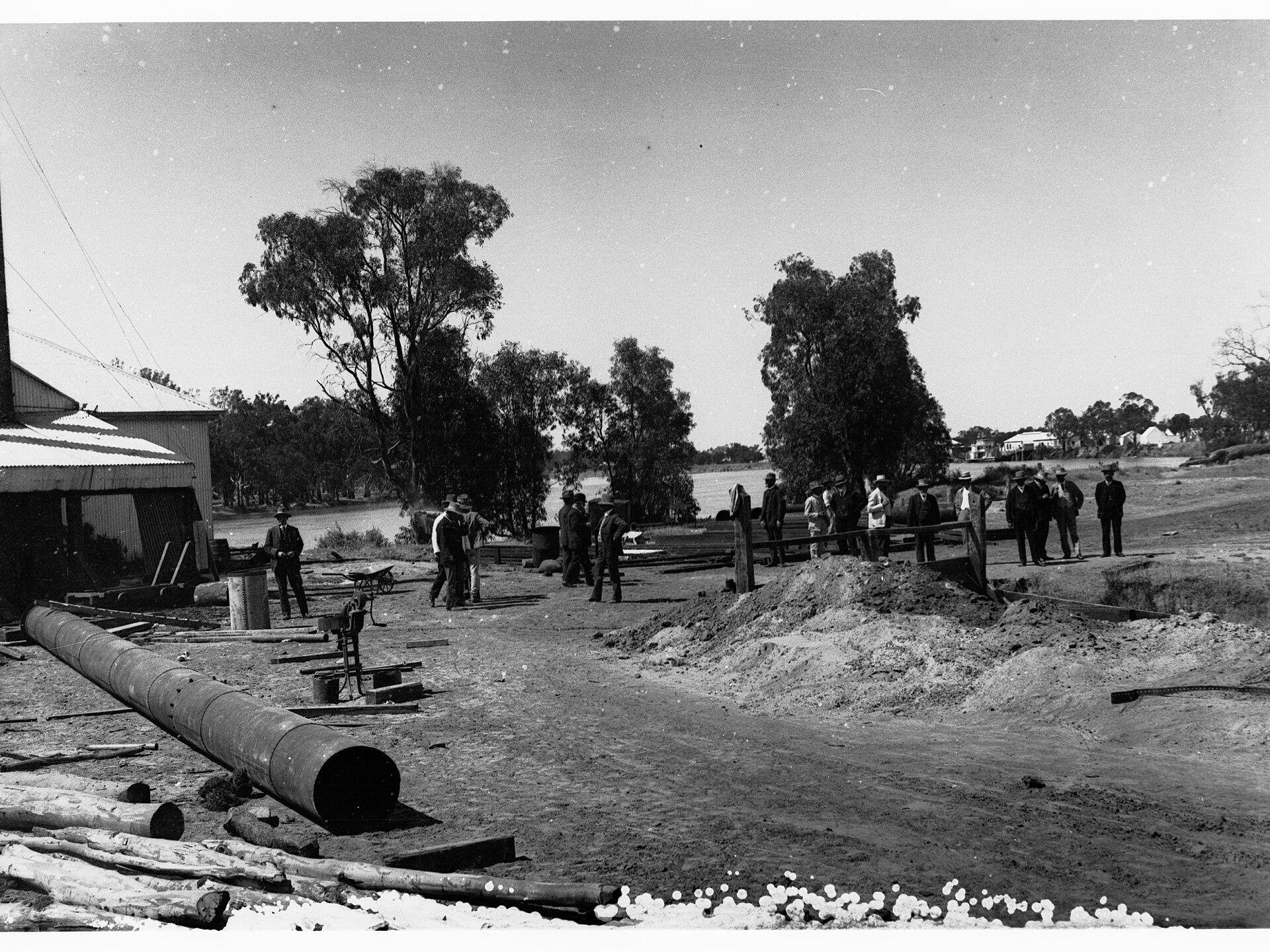
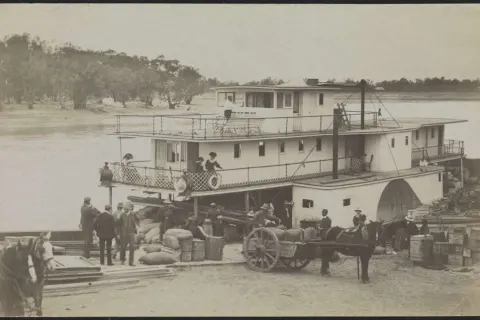
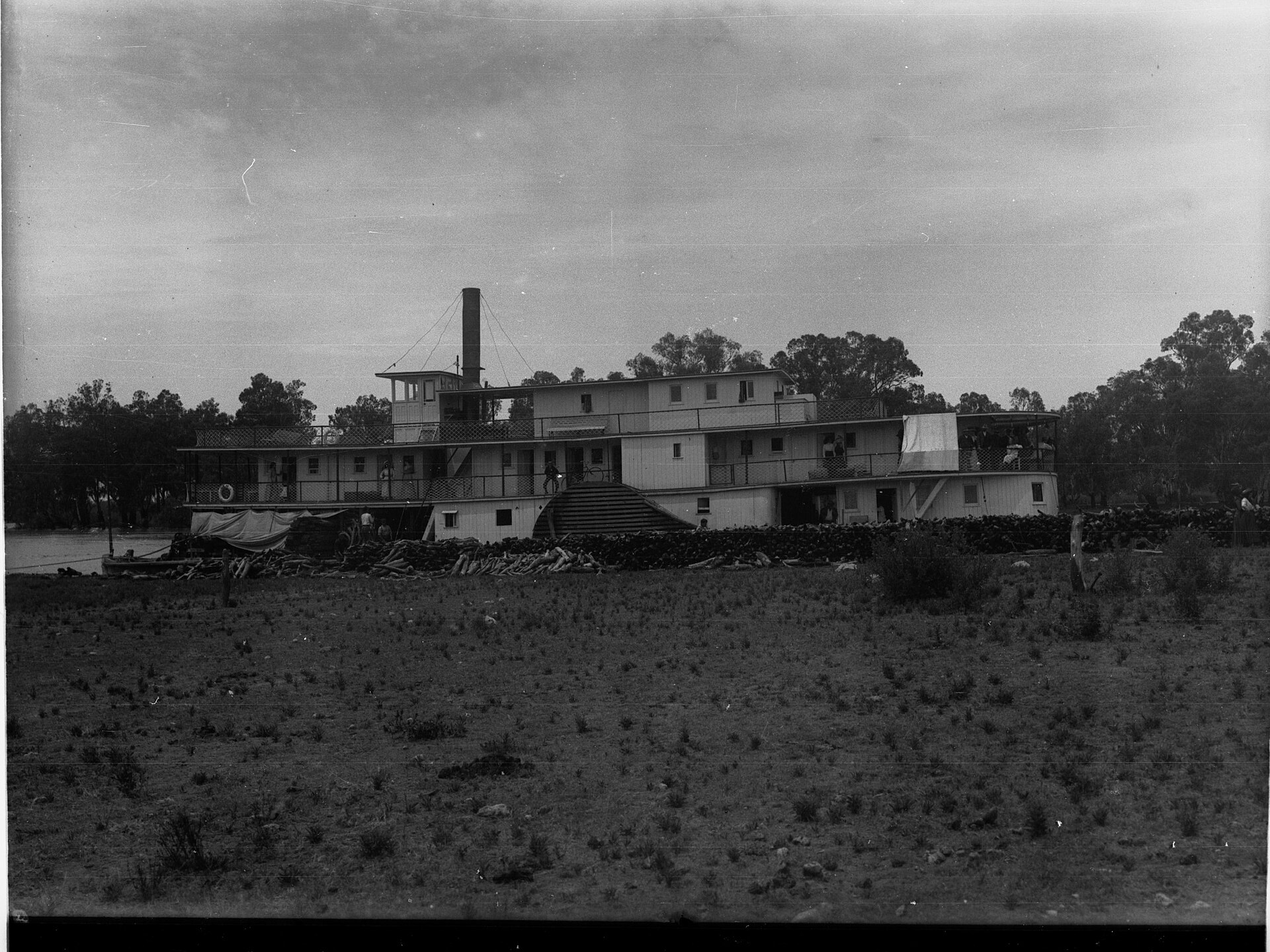
For much of the 19th century the River Murray was South Australia's great highway. Paddle steamers churned upstream loaded with supplies and returned heavy with wool and wheat from stations far inland, their shallow draughts and churning wheels perfectly suited to the river's snags and shifting sandbars.
Towns grew up at the loading points. Morgan, with its towering wharf, became one of the busiest river ports in the country, linked by railway to Adelaide. Wharves, locks and weirs followed, taming the river for navigation.
A legacy you can still see
The railways and trucks eventually won, and the trade faded. But the paddle steamers never quite disappeared. The PS Industry, built in 1911, still fires its boiler for cruises from Renmark, and the old Morgan wharf still stands above the water as a monument to the era.
Understanding the working river explains the Riverland itself - why its towns sit where they do, and why the Murray remains the thread that ties them all together.