







By Discover the Riverland · · 6 min read
A century ago the Murray was unreliable and often unnavigable. A chain of locks and weirs changed that forever - and quietly reshaped the whole Riverland.
A river you couldn't count on
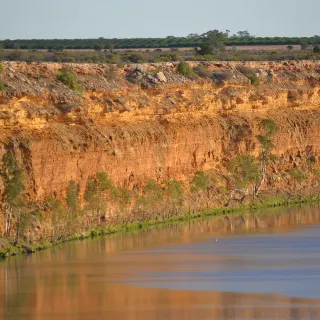
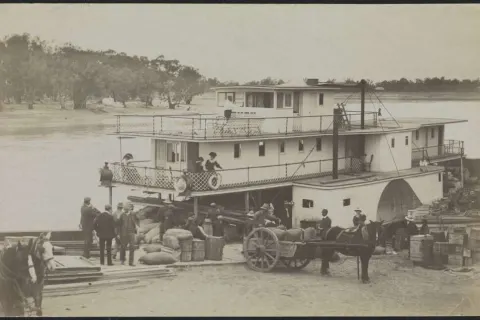
Before the locks, the Murray was a wildly variable thing. In good seasons paddle steamers ran cargo deep into the interior; in dry ones they sat stranded on the mud for months. For a region whose entire economy floated on the river, that unreliability was a constant threat.
The answer, settled on in the early twentieth century, was audacious: a staircase of locks and weirs that would hold the river up in pools, smoothing out the wild swings and keeping water where irrigation and navigation needed it.
Lock 1 and the beginning
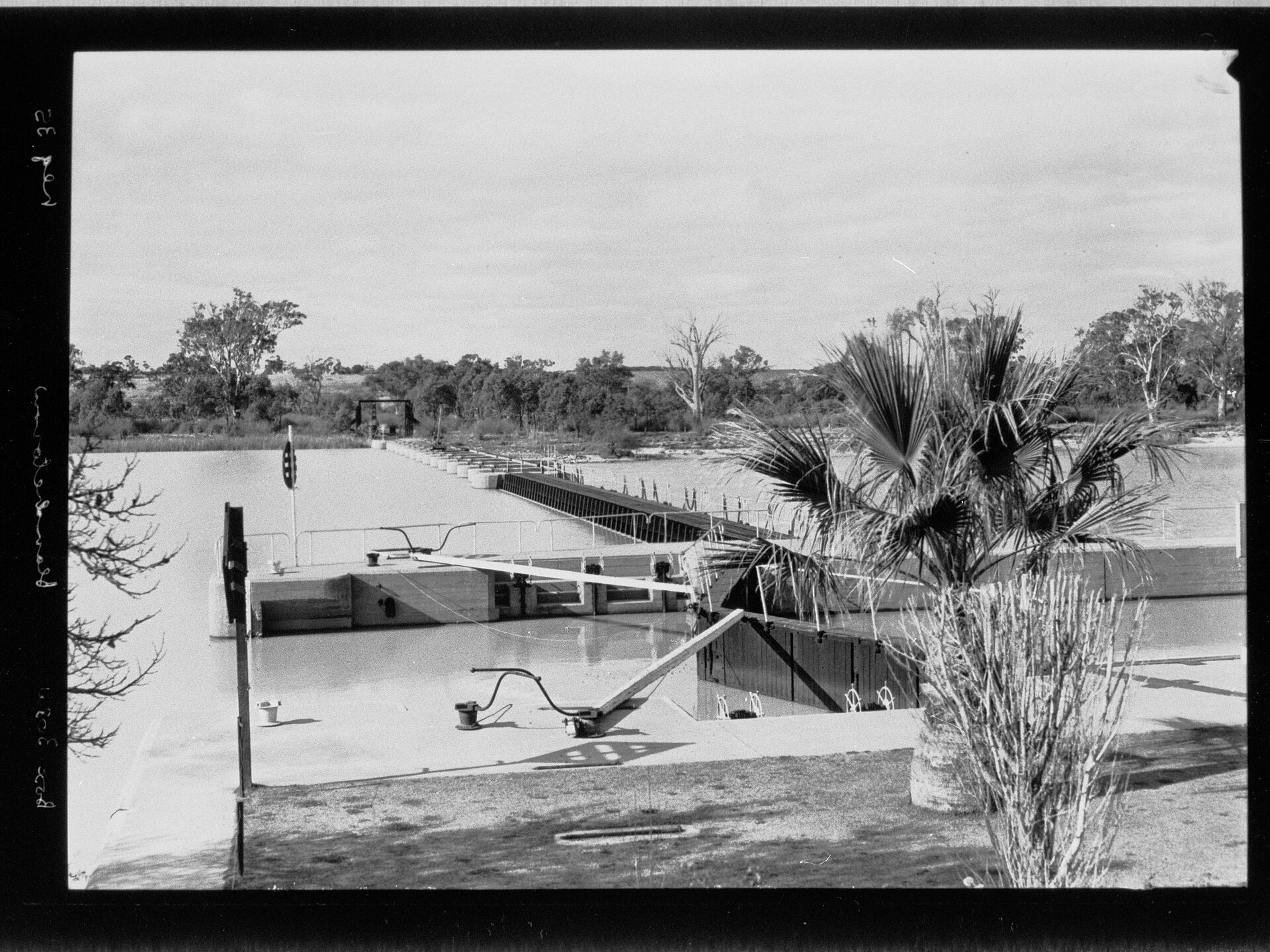
Lock 1 at Blanchetown, completed in 1922, was the first. Standing at its viewing areas today you can watch the whole idea in miniature - boats lifted and lowered between pools, the weir holding back a calm sheet of water that would otherwise run away downstream.
From Blanchetown the locks march upriver and down, each one a pool, each pool a stretch of dependable, irrigable, navigable river.
What the locks made possible
The locks are the hidden infrastructure behind everything the Riverland is. The reliable pools made large-scale irrigation viable, and with it the citrus, almonds and vines that now define the region. They kept houseboating and river tourism possible through dry years. They even gave the floodplain a fighting chance, as fishways and managed flows were added to let native fish and wetlands cope with a regulated river.
Reading the river today
You can still read this story on the ground. Watch a boat cycle through Lock 1, see a Murray cod climb the fishway, walk the weirs at Renmark or Lock 1 at Blanchetown. The river looks natural, even timeless - but the calm, dependable Murray of the modern Riverland is one of the great quiet feats of Australian engineering.