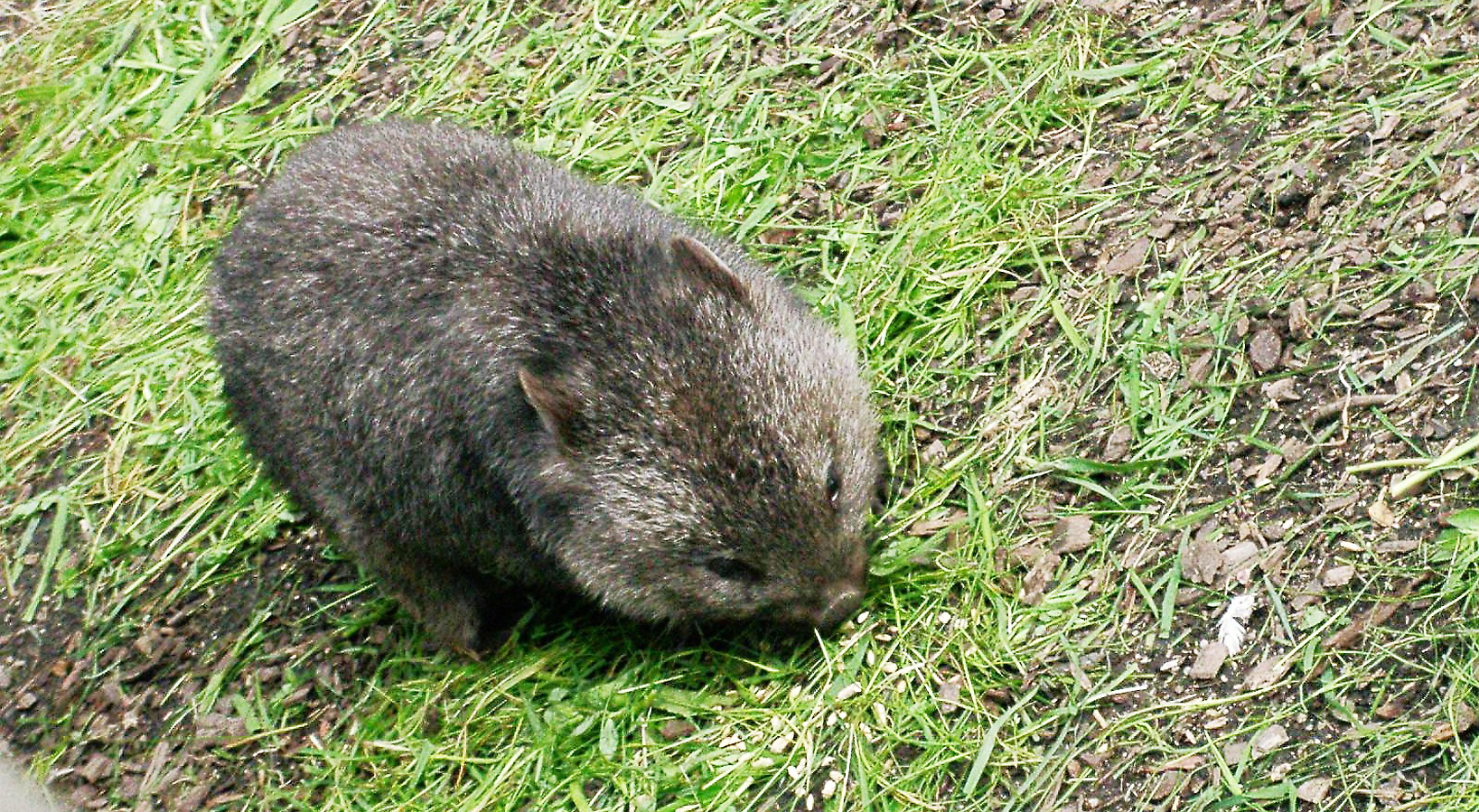
The southern hairy-nosed wombat has been South Australia's animal emblem since 1970, and the bluebush plains near Blanchetown are its stronghold - including a reserve bought for the species by Chicago's Brookfield Zoo in 1971.
The emblem nobody sees
The southern hairy-nosed wombat has been South Australia's official animal emblem since 1970 - yet most South Australians have never seen one outside a zoo. The reason is simple: the wombat's stronghold is the dry limestone country of the Murray Plains and beyond, it spends the day underground, and it does its living in the half-light when sensible humans are elsewhere.
The Riverland's western edge is one of the best places in Australia to fix that.
A gift from Chicago
The heart of wombat country here is Brookfield Conservation Park, 5,515 hectares of bluebush plain and mallee just off the Sturt Highway west of Blanchetown - and its origin story is one of conservation's stranger footnotes. In 1971 the Chicago Zoological Society, operators of Brookfield Zoo, bought the land (with a donation from the Forest Park Foundation of Peoria) as a dedicated reserve for the southern hairy-nosed wombat. For six years an American zoo owned a working piece of the South Australian outback; in 1977 the society gifted the reserve to the state, and it has carried the Chicago name ever since. Wombat research that began under the zoo's flag continues today.
What you notice first are the warrens - engineered mound-and-tunnel complexes that can house generations of wombats and outlast them all. A southern hairy-nosed wombat is a 25-kilogram digging machine with a backwards-facing pouch (so excavation does not bury the joey) and a metabolism so frugal it can sit out drought years that break larger grazers.
How to actually see one
Timing is nearly everything. Wombats sit out the heat underground and graze in the cool, so plan for the first hour after dawn or the last before dusk, and favour mild winter days, when they will sometimes sun themselves at the burrow mouth at midday. Drive the tracks slowly, stop often, and scan the open flats around warren mounds. Keep your distance; they are faster than they look and under no obligation to pose.
While you wait, the supporting cast carries the show: western grey kangaroos, emus, and dryland birds from red-capped robins to apostlebirds. Serious birders should fold in White Dam Conservation Park near Morgan - 891 hectares of black oak and bluebush with more than ninety recorded species - and the famous mallee specialists of Gluepot Reserve north of Waikerie.
The bigger dry country
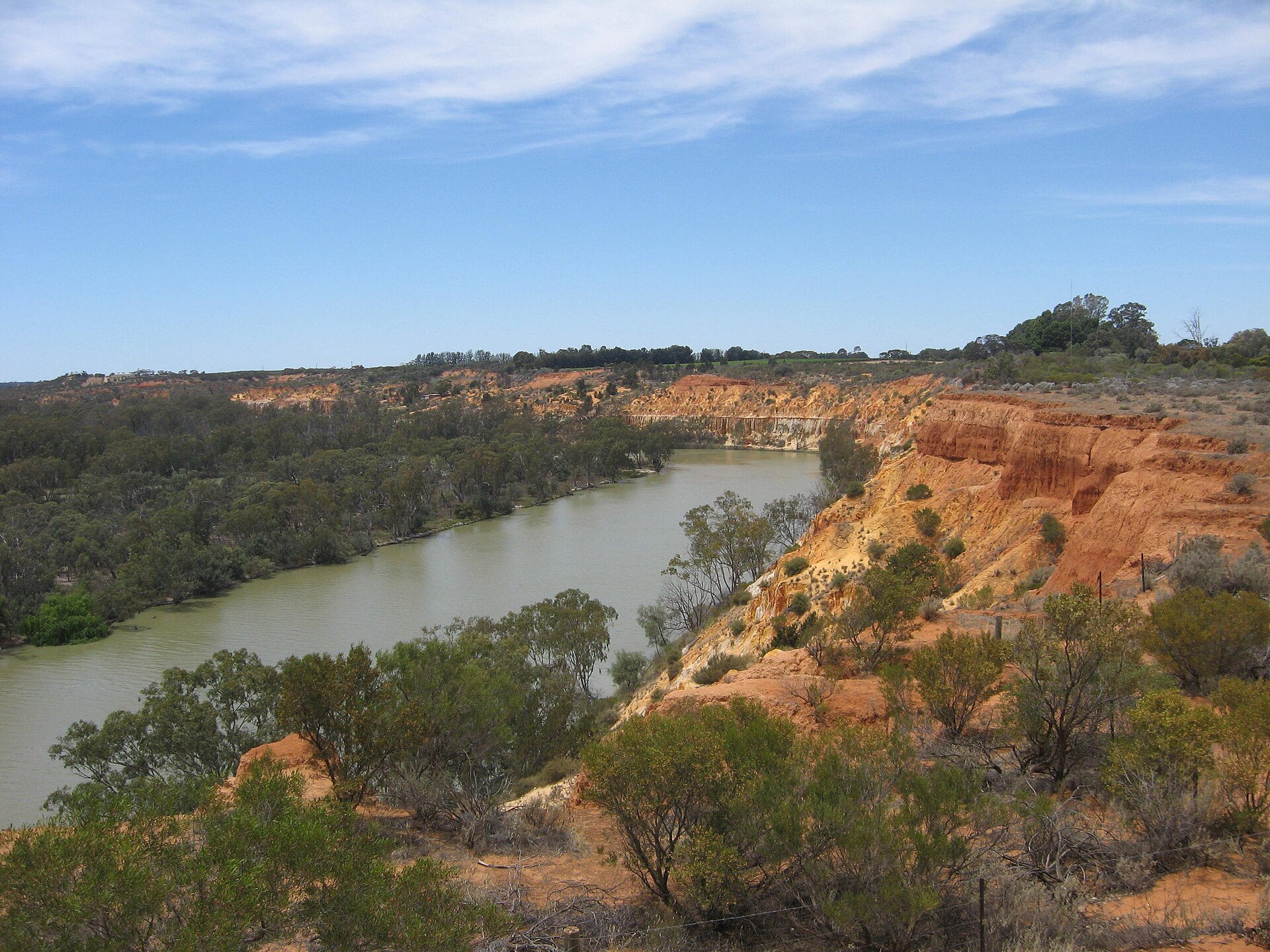
The wombat is the gateway drug to the Riverland's other half - the enormous, subtle, semi-arid world that begins where the irrigation stops. The floodplain reserves like Morgan Conservation Park get the photographers; the saltbush gets the sunsets and the silence. For the full case for going beyond the river, read Mallee country: the Riverland beyond the river.