





Border Cliffs Customs House
Where South Australia taxed the river trade
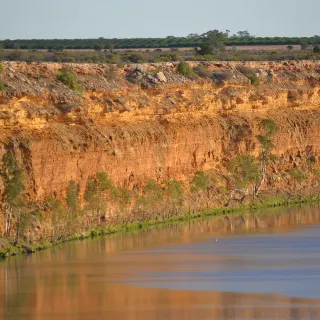
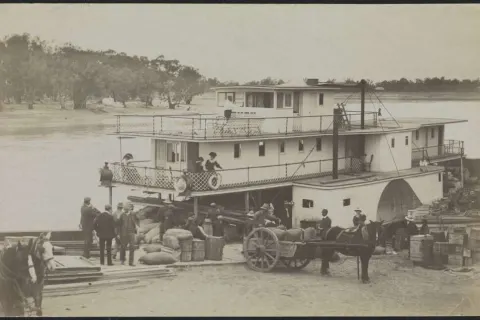
The 1884 customs house at Port Murthoo, built to collect duties from paddle steamers crossing the border. A walking trail and quiet river reach mark one of the Murray's oddest historic outposts.
Before 1901, an invisible line across the Murray near Murtho cost river captains real money. The colonies taxed each other's trade, and in April 1884 South Australia gazetted "Port Murthoo" - a customs port and boarding station just inside its border. By December that year a customs house stood above the high-water mark, with iron sheds for cargo and a sub-collector (the first was Robert Barker) whose job was to levy duty on everything the paddle steamers carried downstream.
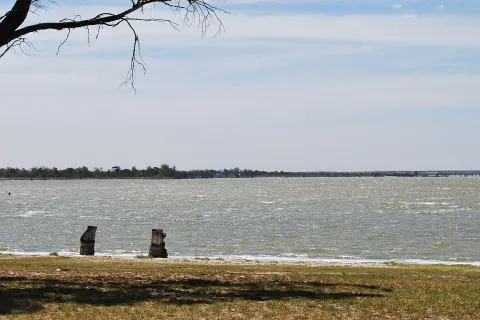
Federation made the whole apparatus obsolete overnight. Free trade between the new states began in 1901, and in 1902 the Commonwealth Gazette quietly closed the customs house at Port Murthoo. The building survived, and today it anchors one of the most atmospheric corners of the Riverland - a quiet reach of red cliffs and river gums where a houseboat base now operates and a walking trail follows the bank.
It is best visited as part of the Murtho loop: call at the Woolshed Brewery at Wilkadene and climb to Headings Cliffs lookout on the same run. The full smuggling-era story is told in Duty Calls.
Find it on the map
Got a photo of Border Cliffs Customs House?
Share your best shot. If we use it in the gallery, you'll be credited by name. Photos are reviewed before going live.
Last verified 7 August 2026 · source: Discover Renmark (Renmark Paringa visitor site)
Within a short drive
Places within 5km of Border Cliffs Customs House


You might also like
Similar experiences across Riverland
Border Cliffs Customs House - frequently asked questions
What was the Border Cliffs Customs House for?
Before Federation, the colonies taxed each other's goods. "Port Murthoo" was gazetted as a customs port in April 1884, and the customs house - completed that December above the high-water mark - collected duties on cargo coming down the Murray from New South Wales and Victoria. Federation in 1901 ended intercolonial duties and the station closed in 1902.
Can you visit it today?
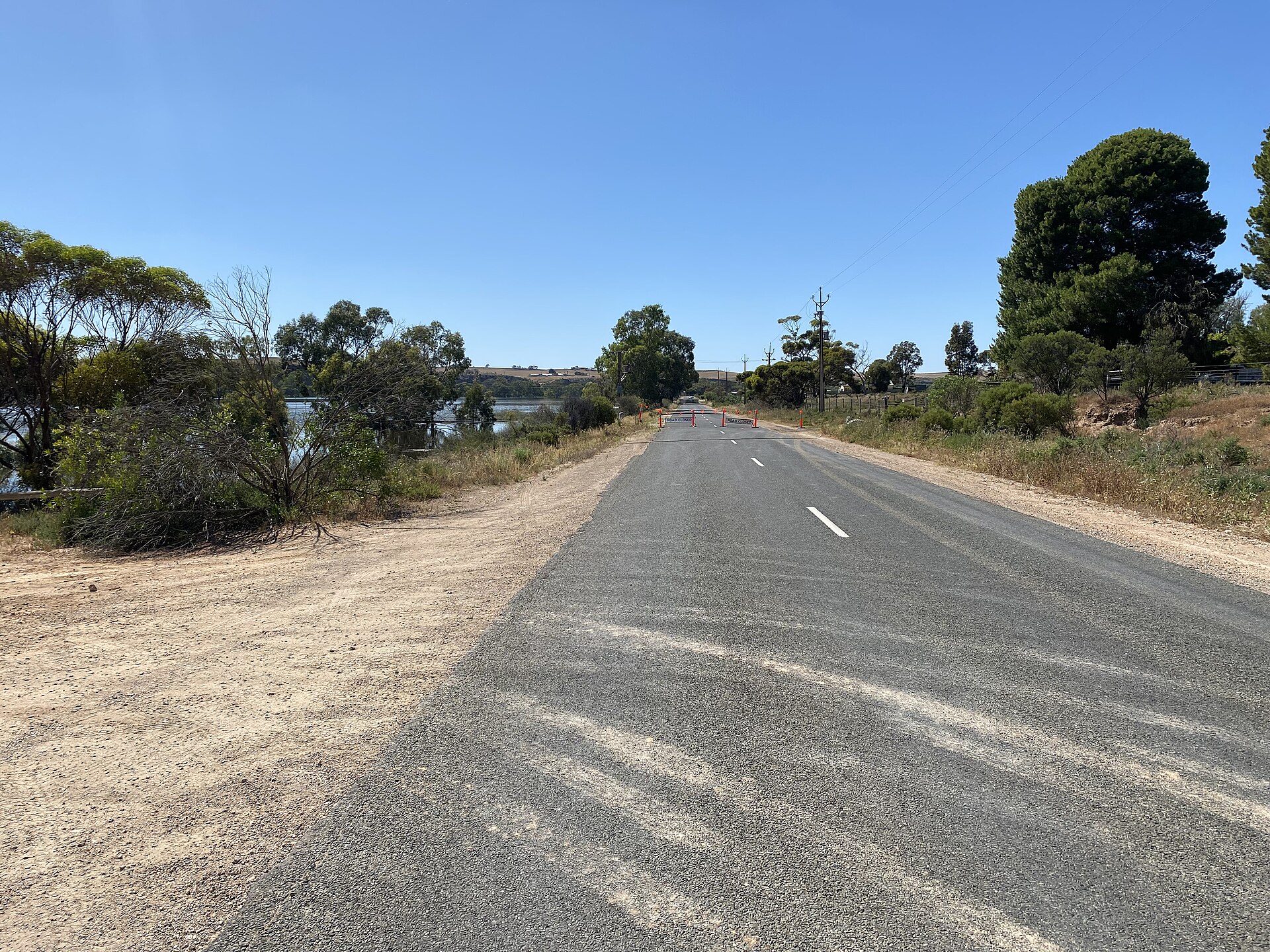
The building survives on a quiet reach of the river at Murtho, near the SA border. It is privately operated (a houseboat base operates from the site), but it can be seen from the river and the Border Cliffs walking trail, and the surrounding reach is a lovely, little-visited corner of the Riverland.
Sources
- Discover Renmark (Renmark Paringa visitor site) (accessed August 2026)