
By Discover the Riverland · · 6 min read
From 1884 to 1902, "Port Murthoo" was where South Australia taxed the river trade - a customs house on a lonely reach near the border, undone overnight by Federation. The building still stands, and the drive to it is one of the Riverland's best.
An invisible line across the river
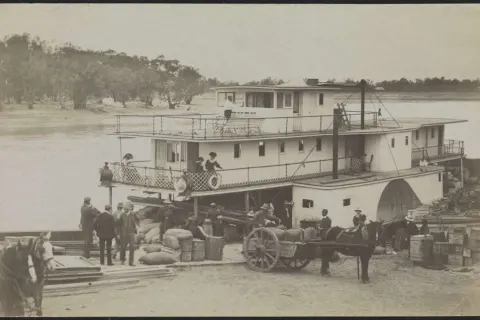
Before 1901, Australia was six colonies behaving like six small countries, and nowhere was that more absurd than on the Murray. The river was the freight highway of the southeast - wool, wheat, timber and shop goods moving by paddle steamer between three colonies - and every colonial border crossing meant duty payable. South Australia, holding the river's only outlet to the sea, was determined to collect.
So in April 1884 the colony gazetted a customs port on its upstream frontier: "Port Murthoo", a boarding station on the high bank at Murtho, just inside the border north-east of Renmark. By December that year a customs house stood above the high-water mark - solid, verandahed, with iron cargo sheds beside it - and every steamer working downstream had to stop, declare and pay.
The sub-collector's lonely kingdom
The first Sub-Collector of Customs at Border Cliffs was Robert Barker, whose salary came with the house and an allowance for a servant - generous terms for a posting whose nearest town was a day away by water. His small station processed the river's commerce crate by crate: separate sheds for goods bound for South Australian buyers and for cargo merely passing through, ledgers for everything.
The steamer captains, naturally, regarded the whole arrangement as an invitation. Smuggling, creative manifests and after-dark runs were part of the game on every colonial border, and the customs men at Murtho spent as much energy policing the river's tricks as taxing its trade. Downstream, the river's other great chokepoint worked the same trade in reverse - the railhead at Morgan, where the wool went ashore for Adelaide.
Federation closes the books
The colonies' tariff walls were one of the great irritants that pushed them toward union, and Federation in 1901 dissolved the lot: free trade between the new states was written into the Constitution. The customs house at Port Murthoo had nothing left to collect. In 1902 the Commonwealth Gazette formally closed it, and the river rolled on past, suddenly duty-free.
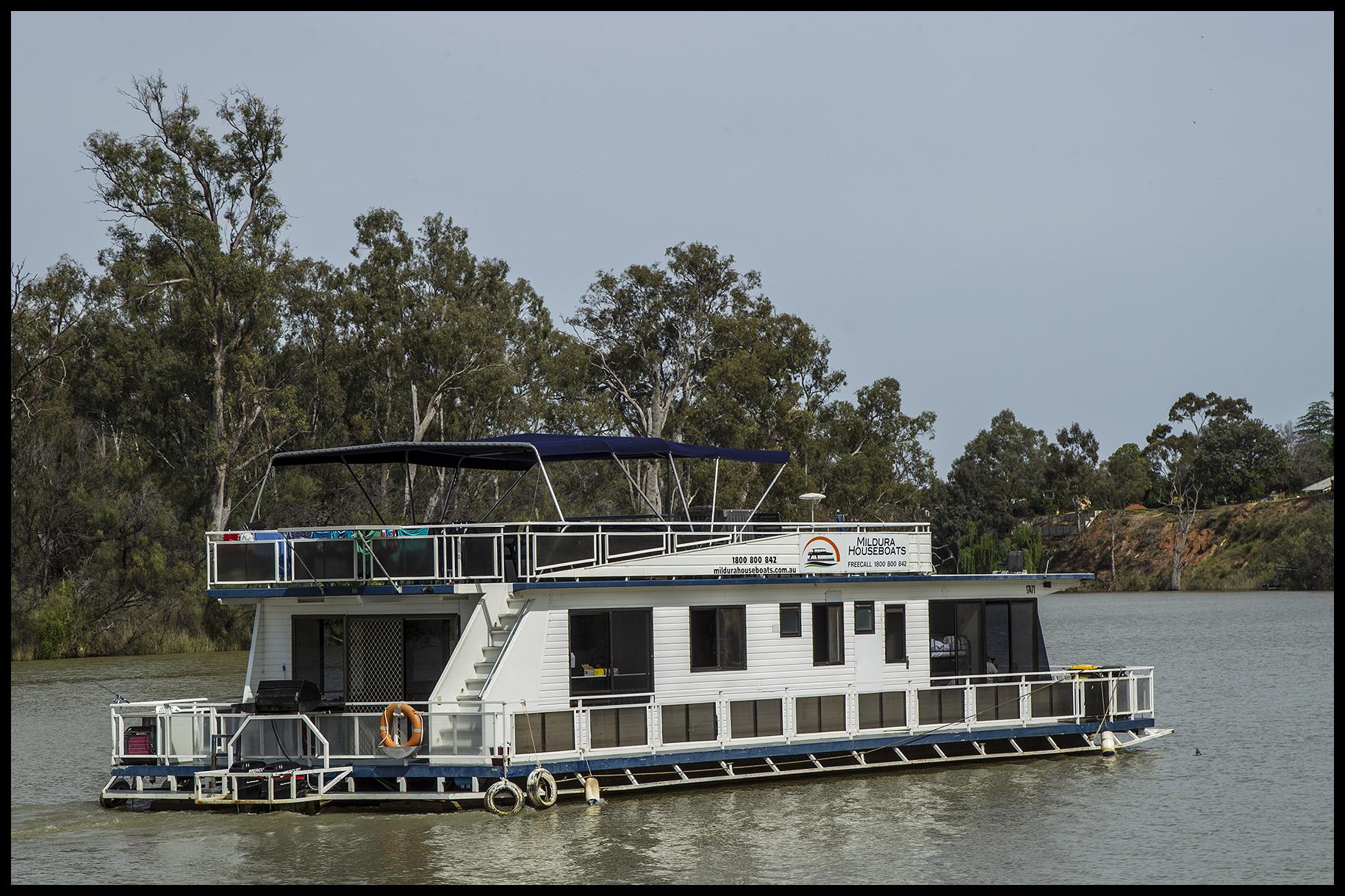
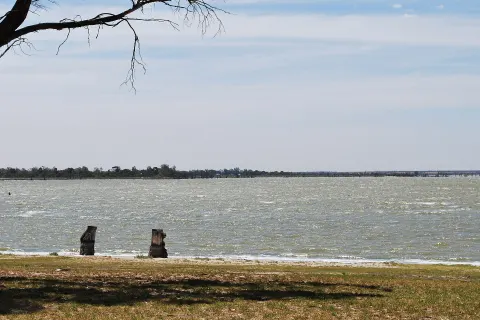
The building outlived its purpose handsomely. The Border Cliffs Customs House still stands on its quiet reach at Murtho - privately operated today, with a houseboat base working from the site - and a walking trail follows the bank nearby. It is one of the most evocative survivors of the paddle-steamer economy anywhere on the river.
The Murtho loop
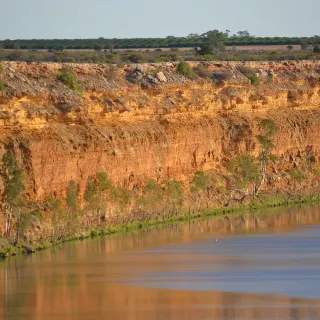
Make the customs house the far point of a half-day from Renmark or Paringa. Cross the 1927 Paringa Bridge, climb to Headings Cliffs lookout for the big ochre-cliff panorama, and finish with a beer on the deck at the Woolshed Brewery at Wilkadene - itself a recycled piece of river history. To see the trade the customs men taxed, step aboard the 1911 paddle steamer PS Industry at Renmark.