





Heritage & History
River trade, irrigation and pioneer stories
The best heritage & history in Paringa
Paddle-steamer wharves, irrigation museums, historic hotels and a re-created pioneer village tell the story of how the river built these towns.
Read our guide to heritage & history ↓Browse heritage & history by area
Border Cliffs Customs House Free
View →Where South Australia taxed the river trade
The 1884 customs house at Port Murthoo, built to collect duties from paddle steamers crossing the border. A walking trail and quiet river reach mark one of the Murray's oddest historic outposts.
Lock 5 & the Bunyip Barge Free
View →Watch boats step up the Murray in a riverside park
A 1927 lock and weir just downstream of the Paringa Bridge, set in lawned parkland with picnic tables, barbecues and the retired river barge Bunyip on display.
Paringa Bridge
View →A 1927 lift-span river crossing
A rare lift-span bridge over the Murray at Paringa, opened in 1927 and still carrying road traffic.
The Black Stump Free
View →A 600-year-old river red gum, rescued from the Murray
The huge root system of a 500-600 year old river red gum - over eight metres across and the largest of its kind in Australia - salvaged from the river and displayed at Paringa.
About heritage & history in Riverland
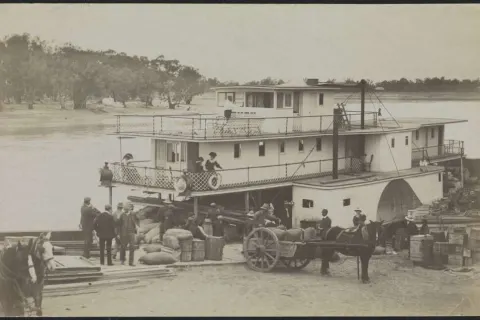
The Riverland's history is the history of the river itself. Before roads and rail, the Murray was the highway of the interior, and paddle steamers carried wool and wheat downstream to ports that boomed and faded. That story is written across the region in wharves, locks, grand old pubs and pioneer settlements.
Walk the restored wharf at Morgan, once the colony's second-busiest inland port, and visit the Morgan Museum in the old railway buildings. Watch a working steamer fire up - the 1911 PS Industry at Renmark. Trace the river engineering at Lock 1 Blanchetown, the first of the Murray's locks, completed in 1922.
The open-air Loxton Historical Village recreates pioneer life in vivid detail. Pair these with the region's riverfronts and reserves to understand how completely the Murray once ran the life of the interior.
Heritage & History in Riverland - frequently asked questions
What is the Riverland known for when it comes to heritage and history?
The Riverland's story is the story of the river itself - the Murray was the highway of the interior, and from the 1860s paddle steamers carried wool, wheat and fruit downstream to booming river ports. The region is also the birthplace of Australian irrigation, with Renmark settled in 1887 as the country's first irrigation colony by the Canadian Chaffey brothers. You'll find that history written across restored wharves, locks and weirs, irrigation museums and grand old pubs.
Where can I see the best heritage sites along the river?
Morgan was once the busiest inland port in the colony, second only to Port Adelaide, and its restored redgum wharf and historic town walk are well worth exploring. Renmark has the Chaffey-era Olivewood Homestead and the moored PS Industry paddle steamer, while Blanchetown is home to Lock 1, the first lock and weir built on the Murray. For pioneer and irrigation history, head to the Loxton Historical Village and the Cobdogla Irrigation and Steam Museum.
Do I need to book, and which days are heritage attractions open?
It varies by site, so it pays to check ahead. The Loxton Historical Village is open most days of the week year-round with a per-person entry fee, while the Cobdogla Irrigation and Steam Museum opens for a handful of major steaming days each year rather than daily. The PS Industry paddle steamer at Renmark runs scheduled steaming days roughly twenty times a year, mostly on Sundays, so book through the Renmark Paringa Visitor Information Centre before you travel.
What is the oldest building in the Riverland?
The Overland Corner Hotel, between Barmera and Morgan, is the region's oldest building, dating to 1859. It was built to serve overland drovers and coach passengers on the route between New South Wales and Adelaide, and it later doubled as a stop for paddle-steamer travellers. The bushranger Captain Moonlite is said to have used it as a watering hole while on the run in 1879.
When is the best time to visit for heritage and history experiences?
The cooler months from autumn through to spring are the most comfortable for walking wharf precincts, pioneer villages and outdoor irrigation displays, as Riverland summers can be very hot. Steam and paddle-steamer days are also worth planning around - the PS Industry and Cobdogla museum schedule their operating days through the cooler part of the year and often pause on days of extreme heat. Check each attraction's calendar so you can line your visit up with a working steaming day.