Wildlife & Nature
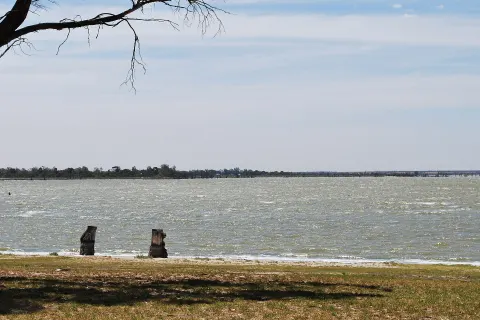
Wetlands, river red gums and big skies
The best wildlife & nature in Morgan
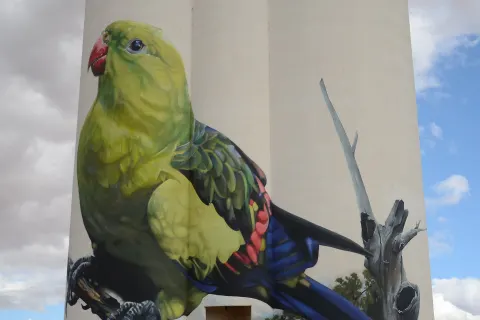
Ramsar-listed wetlands, towering sandstone cliffs and floodplain forest alive with pelicans, regent parrots and the occasional echidna. This is some of the richest river habitat in the country.
Read our guide to wildlife & nature ↓Browse wildlife & nature by area
Big Bend Lookout Free
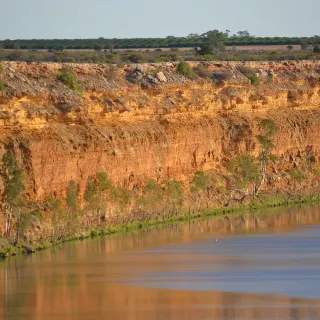
View →A clifftop vantage over the longest stretch of unbroken river cliffs in the southern hemisphere.
Morgan Conservation Park
View →Floodplain wetlands at the river's bend
A wetland conservation park on the Murray floodplain near Morgan, rich in birdlife and laced with creeks and lagoons.
Walker Flat Ferry & Cliffs Free
View →A free 24-hour cable ferry beneath some of the most photographed limestone cliffs on the Murray.
White Dam Conservation Park Free
View →Black oak, bluebush and birdsong on an old stock route
An 891-hectare conservation park eight kilometres north-west of Morgan, protecting black oak woodland over bluebush plains on a former stock route - with about 91 bird species recorded.
About wildlife & nature in Riverland
The Riverland is wetland country at its richest. Where the Murray winds through South Australia it spills into a maze of lagoons, anabranch creeks and red-gum floodplains that rank among the most important inland wildlife habitats in the country - including the internationally recognised Riverland Ramsar wetland.
Paddle the canoe trails of Loch Luna or Katarapko Creek, watch waterbirds at restored Hart Lagoon, or lose yourself in the vast red-gum wilderness of Chowilla. Serious birders make the pilgrimage to Gluepot Reserve for malleefowl and rare mallee parrots.
Then there are the cliffs - sheer walls of ochre limestone glowing gold at dusk, like those above Headings Lookout and along the river's grandest bends. Combine wildlife with walking trails and you have endless ways to slow down and let this ancient floodplain reveal itself one quiet bend at a time.
Wildlife & Nature in Riverland - frequently asked questions
What is the Riverland known for when it comes to wildlife and nature?
The Riverland is wetland country, home to the Ramsar-listed Riverland (Chowilla) wetland of international importance on the Murray floodplain. Expect towering sandstone cliffs, river red gum forest and a maze of lagoons and anabranch creeks alive with pelicans, regent parrots and waterbirds. The region also takes in vast mallee country that supports rare inland birds rarely seen elsewhere.
Where are the best places to see birds and wildlife in the Riverland?
Gluepot Reserve, a BirdLife Australia reserve north of Waikerie, sits in some of the largest intact mallee left in Australia and has recorded more than 180 bird species, including the endangered black-eared miner, malleefowl and scarlet-chested parrot. Along the river, the Murray River National Park, Loch Luna and the Katarapko Creek canoe trails are excellent for waterbirds and red-gum floodplain, while the Headings Cliffs and Big Bend lookouts give big-sky views over the valley.
Do I need to book or pay to visit places like Gluepot Reserve?
Gluepot Reserve charges a small per-vehicle day-visit fee and a per-vehicle camping fee, which can be paid online or at the visitor centre, and campsites do not need to be booked in advance. The reserve is reached via unsealed roads, has bush campgrounds with long-drop toilets only, and no pets, firearms or open fires are allowed, so you must be fully self-sufficient with your own water, food and fuel. Many national park sites in the Riverland are free to enter, though some camping areas require a permit.
When is the best time of year to visit for wildlife and nature?
Spring (roughly September to November) is a standout, when wildflowers bloom, wetlands are active and breeding birds are at their busiest. Summer can be excellent for birdwatching at the mallee reserves, where large flocks gather at watering points and regent parrots are often seen around January and February, though days are hot. For wildlife generally, dawn and dusk are the most rewarding times to be out.
Can I see nocturnal wildlife in the Riverland?
Yes - the Riverland is one of the best places in South Australia for after-dark wildlife. Big Bend by Night runs guided spotlighting tours near Swan Reach where you can see large mobs of grey and red kangaroos, wombats, owls and bats in the wild. The area also sits within the River Murray International Dark Sky Reserve, so clear nights here deliver brilliant stargazing over the Big Bend cliffs.