Wildlife & Nature
Wetlands, river red gums and big skies
The best wildlife & nature in Riverland
Ramsar-listed wetlands, towering sandstone cliffs and floodplain forest alive with pelicans, regent parrots and the occasional echidna. This is some of the richest river habitat in the country.
The Riverland is wetland country at its richest. Where the Murray winds through South Australia it spills into a maze of lagoons, anabranch creeks and red-gum floodplains that rank among the most important inland wildlife habitats in the country - including the internationally recognised Riverland Ramsar wetland.
Paddle the canoe trails of Loch Luna or Katarapko Creek, watch waterbirds at restored Hart Lagoon, or lose yourself in the vast red-gum wilderness of Chowilla. Serious birders make the pilgrimage to Gluepot Reserve for malleefowl and rare mallee parrots.
Then there are the cliffs - sheer walls of ochre limestone glowing gold at dusk, like those above Headings Lookout and along the river's grandest bends. Combine wildlife with walking trails and you have endless ways to slow down and let this ancient floodplain reveal itself one quiet bend at a time.
Browse wildlife & nature by area
53 places
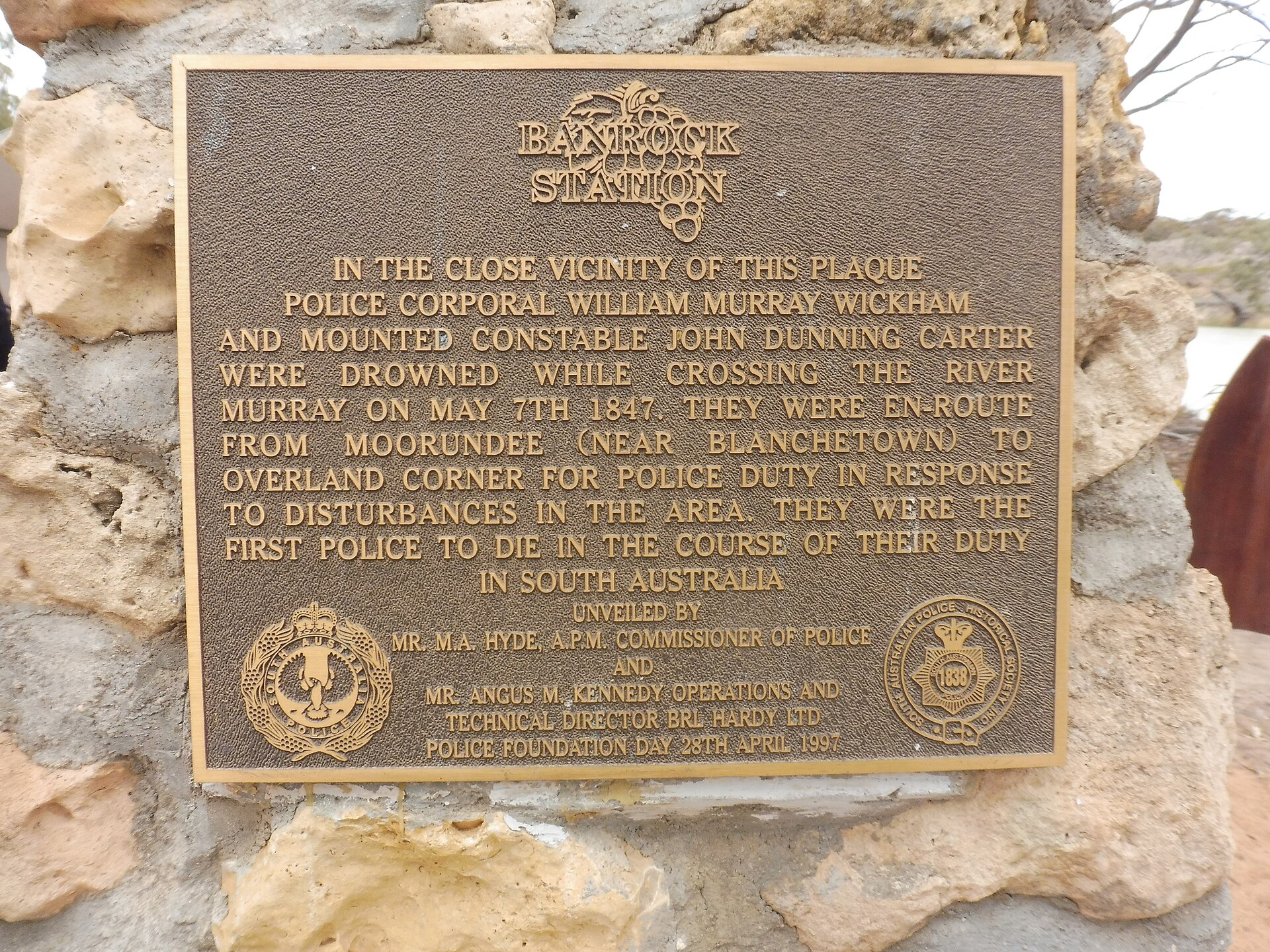
Banrock Station Wine & Wetland Centre
$$Wine with a wetland view
A cellar door and restaurant perched above a 1,000-hectare Ramsar-listed wetland, with boardwalk trails through the floodplain.
Big Bend by Night
$$Spotlight wildlife tours below the cliffs
Guided nocturnal wildlife tours beneath the tallest river cliffs in South Australia, near Nildottie.
Big Bend Lookout
FreeA clifftop vantage over the longest stretch of unbroken river cliffs in the southern hemisphere.
Bonney Reserve Berri Riverfront
Berri's landscaped riverfront and play space
Bookmark Creek Wetland
FreeA restored wetland on the edge of Berri with an easy walking loop and prolific birdlife.
Bookpurnong Cliffs
Ochre river cliffs above the Murray near Loxton
Brookfield Conservation Park
FreeThe wombat reserve a Chicago zoo gave to South Australia
A 5,515-hectare conservation park west of Blanchetown, bought by the Chicago Zoological Society in 1971 to protect the southern hairy-nosed wombat and gifted to South Australia in 1977. Wombats, western grey kangaroos and mallee birds.
Calperum Station
$A former sheep station the size of a small country, returned to nature
A 242,800-hectare former pastoral station north of Renmark, now managed for conservation by the Australian Landscape Trust. Floodplain creeks, Ramsar wetlands and true mallee outback, with bookable bush campsites.
Chowilla Game Reserve
A vast floodplain of red gum, creeks and lignum upstream of Renmark - Riverland wilderness at its rawest.
Gluepot Reserve
$An internationally significant mallee bird reserve north of the river, run by BirdLife Australia.
Gurra Gurra Wetlands
FreeThree thousand hectares of lakes beside the Sturt Highway
A 3,000-hectare wetland complex on the Murray's eastern bank east of Berri, its lakes lapping the Sturt Highway near Monash. Pelicans, swans and superb mirror-water photography.
Hart Lagoon
FreeA restored Barmera wetland and birdwatching site with an easy interpretive walking loop.
Headings Cliffs Lookout
Big views over the river bend
A clifftop lookout high above the Murray in the Murray River National Park, with sweeping views over the floodplain.
Holder Bend Reserve
FreeRiverside camping and walking reserve under the Waikerie cliffs, rich in birdlife.
Katarapko (Murray River National Park)
Canoe trails and bush camps
The Katarapko section of the Murray River National Park, laced with anabranch creeks, bush campsites and canoe trails near Berri.
Katarapko Creek Canoe Trail
A marked paddling trail through the red-gum creeks of Katarapko, deep in Murray River National Park.
Kingston-on-Murray Riverfront
A quiet riverside hamlet near the Banrock wetlands, with shady reserves and a gateway to Loch Luna.
Lake Bonney Barmera
Swim, sail and ski the big lake
A broad freshwater lake on Barmera’s doorstep, made for swimming, sailing, water-skiing and lakeside picnics.
Lake Bonney Foreshore Barmera
Swimming and watersports on a freshwater inland lake
Loch Luna Game Reserve
FreeA maze of lagoons, creeks and reed beds near Barmera, best explored by canoe.
Lock 1 Blanchetown
FreeThe first weir and lock built on the River Murray, a working piece of river engineering you can watch in action.
Lock 1 Weir Walk, Blanchetown
FreeThe first lock built on the Murray, where you can watch the navigation and fishway up close.
Lock 4 Bookpurnong
FreeA working lock on the quiet reach between Berri and Loxton
The Murray's Lock 4 sits at Bookpurnong, a few minutes from Berri towards Loxton - free barbecues, a picnic area, a boat ramp and a front-row seat as vessels lock through.
Lyrup Flats, Murray River National Park
A red-gum floodplain section of Murray River National Park near Lyrup, with camping and canoeing.
Wildlife & Nature in Riverland - frequently asked questions
What is the Riverland known for when it comes to wildlife and nature?
The Riverland is wetland country, home to two Ramsar-listed wetlands of international importance - the Banrock Station Wetland Complex and the Riverland (Chowilla) wetland on the Murray floodplain. Expect towering sandstone cliffs, river red gum forest and a maze of lagoons and anabranch creeks alive with pelicans, regent parrots and waterbirds. The region also takes in vast mallee country that supports rare inland birds rarely seen elsewhere.
Where are the best places to see birds and wildlife in the Riverland?
Gluepot Reserve, a BirdLife Australia reserve north of Waikerie, sits in some of the largest intact mallee left in Australia and has recorded more than 180 bird species, including the endangered black-eared miner, malleefowl and scarlet-chested parrot. Along the river, the Murray River National Park, Loch Luna and the Katarapko Creek canoe trails are excellent for waterbirds and red-gum floodplain, while the Headings Cliffs and Big Bend lookouts give big-sky views over the valley.
Do I need to book or pay to visit places like Gluepot Reserve?
Gluepot Reserve charges a small per-vehicle day-visit fee and a per-vehicle camping fee, which can be paid online or at the visitor centre, and campsites do not need to be booked in advance. The reserve is reached via unsealed roads, has bush campgrounds with long-drop toilets only, and no pets, firearms or open fires are allowed, so you must be fully self-sufficient with your own water, food and fuel. Many national park sites in the Riverland are free to enter, though some camping areas require a permit.
When is the best time of year to visit for wildlife and nature?
Spring (roughly September to November) is a standout, when wildflowers bloom, wetlands are active and breeding birds are at their busiest. Summer can be excellent for birdwatching at the mallee reserves, where large flocks gather at watering points and regent parrots are often seen around January and February, though days are hot. For wildlife generally, dawn and dusk are the most rewarding times to be out.
Can I see nocturnal wildlife in the Riverland?
Yes - the Riverland is one of the best places in South Australia for after-dark wildlife. Big Bend by Night runs guided spotlighting tours near Swan Reach where you can see large mobs of grey and red kangaroos, wombats, owls and bats in the wild. The area also sits within the River Murray International Dark Sky Reserve, so clear nights here deliver brilliant stargazing over the Big Bend cliffs.